

This post is part of our complete guide to Wellness Care at Audubon Park Chiropractic. Browse the guide for more in-depth information on treatments, exercises, and recovery strategies.
Sudden, involuntary muscle spasms can strike at any moment, disrupting your day and causing significant pain. While often temporary, these contractions can be a persistent nuisance, affecting everything from your workout routine to a good night’s sleep. Many people reach for over-the-counter medication, but what if there were safer, more sustainable solutions? This guide is designed to be your definitive resource, providing clear, actionable answers when you’re searching for relief.
We will explore a comprehensive roundup of powerful and scientifically-backed natural remedies for muscle spasms. These aren’t just generic tips; they are practical strategies you can implement today to find lasting relief, improve muscle health, and prevent future occurrences. From targeted nutritional support like magnesium and proper hydration to therapeutic practices such as heat therapy and essential oil massage, each item in this list offers a distinct pathway to comfort.
This article provides the specific details you need to effectively use these methods. You will learn about the best herbs to reduce inflammation, simple stretches to release tension, and how to balance electrolytes to keep spasms at bay. Let’s delve into how you can reclaim control and soothe your muscles the natural way.
1. Magnesium Supplementation
Magnesium is a vital mineral that serves as an electrolyte, playing a fundamental role in over 300 biochemical reactions in your body. One of its most critical jobs is regulating muscle and nerve function. It acts as a natural calcium channel blocker, which is essential because calcium causes muscles to contract, while magnesium helps them to relax. When magnesium levels are low, calcium can flood nerve cells, leading to over-excited nerves and involuntary muscle contractions, which we experience as painful spasms or cramps.
Why Magnesium is a Top-Tier Remedy
A deficiency in this key mineral is a surprisingly common trigger for persistent muscle spasms, making supplementation one of the most effective natural remedies for muscle spasms. Many people, from dedicated athletes to expectant mothers, find significant relief by ensuring their magnesium intake is sufficient.
- For Athletes: An intense workout can deplete magnesium stores through sweat, leading to exercise-induced cramps. Supplementing with a bioavailable form can help maintain muscle function and speed up recovery.
- During Pregnancy: Leg cramps are a frequent complaint during pregnancy. Increasing magnesium intake often provides fast and effective relief.
- For Nighttime Spasms: Many older adults experience disruptive nighttime leg cramps. A daily magnesium supplement can help relax the muscles and promote more restful sleep.
How to Use Magnesium Effectively
To get the most out of magnesium supplementation, follow these practical tips:
- Choose Wisely: Opt for highly absorbable forms like magnesium glycinate or magnesium citrate, which are gentler on the digestive system than magnesium oxide.
- Start Low: Begin with a dose of 200-400mg per day. You can adjust the amount based on your body’s response and your doctor’s advice.
- Take with Food: Consuming your supplement with a meal can help prevent potential stomach upset.
- Consider Topical Application: For targeted relief, magnesium oil or lotion can be applied directly to the affected muscle, allowing for localized absorption through the skin.
If you are considering adding supplements to your wellness routine, it’s beneficial to consult with a healthcare professional to ensure you choose the right options for your needs. You can explore high-quality magnesium supplementation options on our online supplement store.
Don’t wait — relief is closer than you think.
2. Heat and Cold Therapy
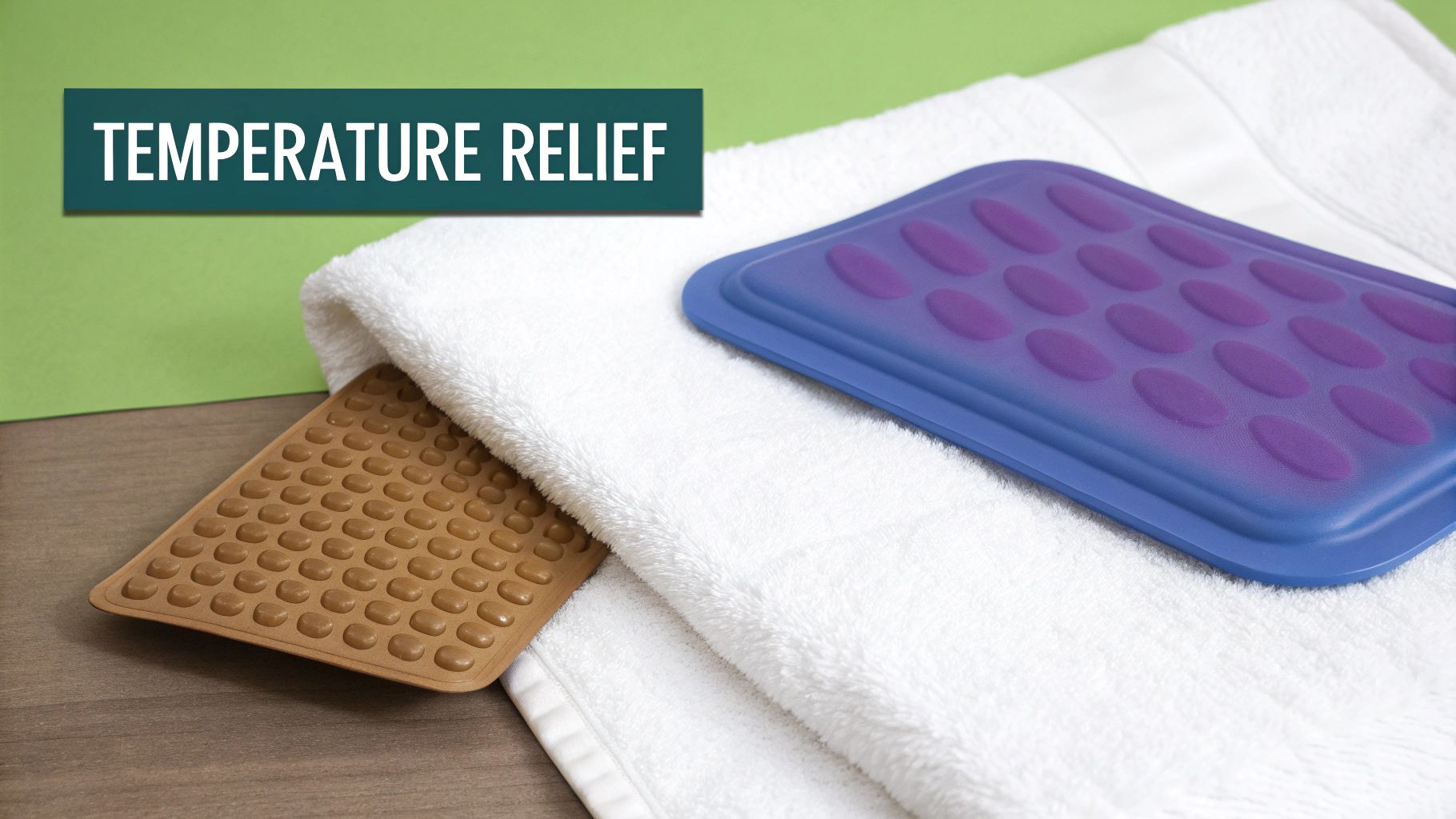
Temperature therapy, also known as thermotherapy and cryotherapy, is a time-tested method for managing muscle pain and spasms. This technique involves the strategic application of heat or cold to an affected area. Heat works by dilating blood vessels, which increases blood flow, delivers more oxygen and nutrients to the muscle, and helps flush out metabolic waste. This process relaxes tight muscles and eases stiffness. Conversely, cold therapy constricts blood vessels, which reduces inflammation, swelling, and nerve activity, effectively numbing the pain of an acute spasm.
Why Heat and Cold Therapy is a Top-Tier Remedy
The dual-action nature of temperature therapy makes it one of the most versatile and accessible natural remedies for muscle spasms. Its effectiveness lies in its ability to address different types of muscle pain, from the chronic, aching tightness to the sharp pain of a sudden, acute spasm. This simple yet powerful approach has been used for centuries, from ancient bathhouses to modern sports medicine.
- For Chronic Stiffness: Individuals with persistent back or neck tightness often find immense relief from applying a heating pad, which helps relax the muscles and improve flexibility.
- For Acute Injuries: When a muscle spasm is caused by a recent strain or injury, a cold pack is ideal for reducing the initial inflammation and providing immediate pain relief.
- For Post-Workout Recovery: Athletes frequently use contrast therapy, alternating between hot and cold, to accelerate muscle recovery and reduce delayed onset muscle soreness (DOMS).
How to Use Heat and Cold Therapy Effectively
To maximize the benefits of temperature therapy and ensure safety, follow these straightforward guidelines:
- Heat for Tightness: Use a heating pad, warm compress, or warm bath for 15-20 minutes to ease chronic stiffness and prepare muscles for stretching. Avoid heat on a new, inflamed injury.
- Cold for Acute Pain: Apply an ice pack or cold compress for 10-15 minutes at a time for acute spasms or injuries. This helps minimize swelling and numb sharp pain.
- Protect Your Skin: Always place a towel or cloth barrier between the temperature source (hot or cold) and your skin to prevent burns or frostbite.
- Consider Contrast Therapy: For a powerful recovery boost, try alternating between 15 minutes of heat and 15 minutes of cold. This creates a pumping action that can help reduce swelling and improve circulation. You can also explore the benefits of cold exposure to learn more about how it impacts the body.
3. Essential Oil Massage Therapy
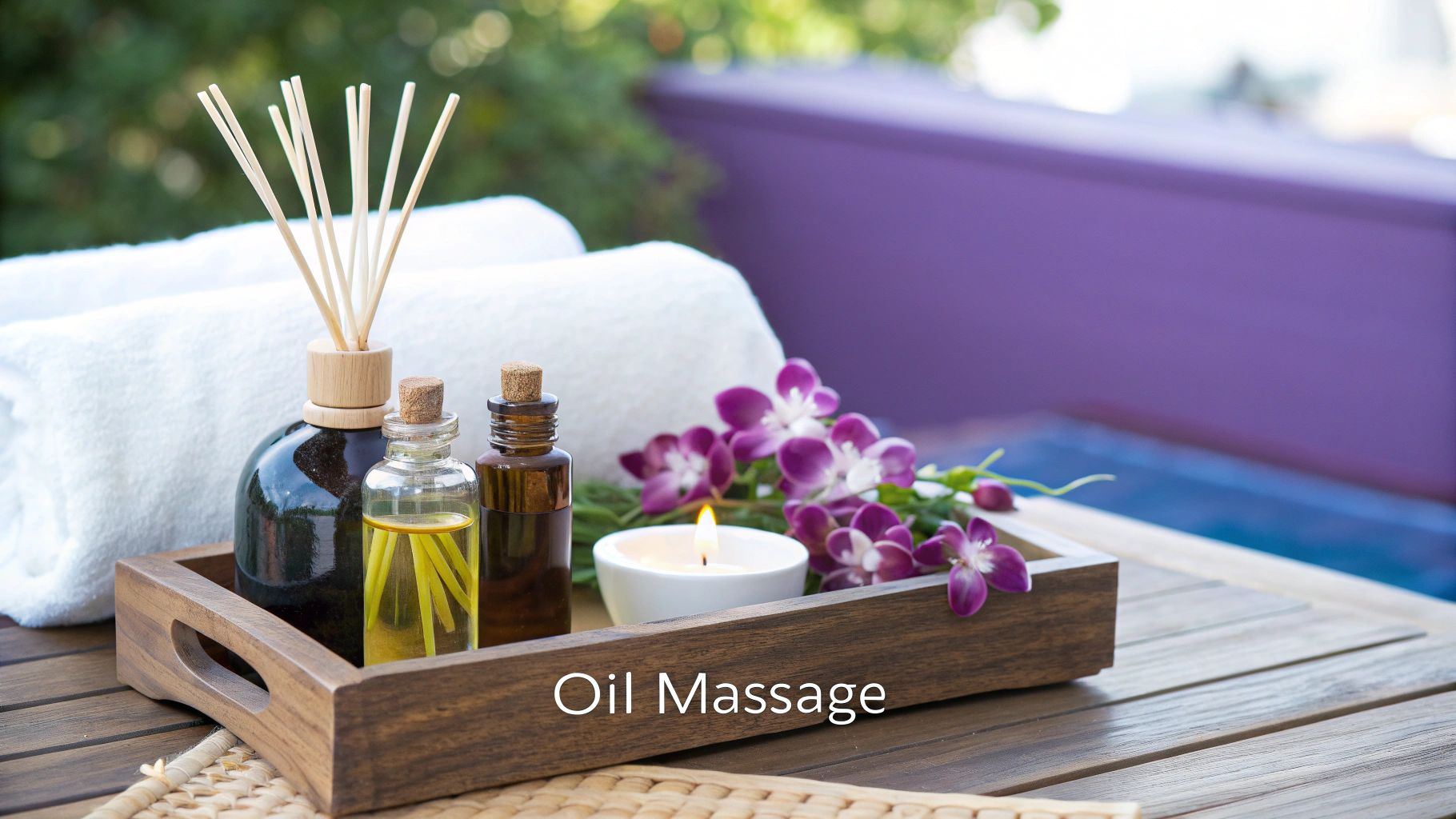
Combining the physical benefits of massage with the therapeutic properties of essential oils creates a powerful, synergistic remedy for muscle spasms. Essential oils are concentrated plant extracts that contain aromatic compounds with various health benefits. When applied during a massage, these compounds penetrate the skin to reduce inflammation, soothe pain, and promote deep muscle relaxation, while the massage itself works to release tension and improve circulation to the affected area.
Why Essential Oil Massage is a Top-Tier Remedy
This ancient practice, rooted in Egyptian and Ayurvedic traditions, offers a dual-action approach that makes it one of the most effective natural remedies for muscle spasms. The physical manipulation of massage directly addresses the knotted muscle fibers, while the essential oils provide targeted chemical relief, helping to calm overactive nerves and reduce pain signals.
- For Acute Tension: A self-massage using a lavender and eucalyptus blend on the neck and shoulders can quickly alleviate tension headaches and stiffness from poor posture.
- For Sports Recovery: Athletes often benefit from professional massages using wintergreen or peppermint oils, which contain menthol to create a cooling sensation that soothes sore, overworked muscles.
- For Chronic Pain: Individuals with conditions like fibromyalgia may find that regular aromatherapy massage with rosemary or clary sage oil helps manage widespread muscle pain and spasms.
How to Use Essential Oil Massage Effectively
To safely and successfully use essential oils for muscle relief, follow these important guidelines:
- Always Dilute: Never apply pure essential oils directly to the skin. Mix 2-3 drops of essential oil with one tablespoon of a carrier oil like coconut, jojoba, or almond oil.
- Perform a Patch Test: Before a full application, apply a small amount of the diluted oil to an inconspicuous area of skin (like your inner wrist) to check for any allergic reactions or irritation.
- Warm it Up: For enhanced absorption, gently warm the oil mixture before applying it. Applying oils to warm muscles, such as after a warm bath, can also improve their effectiveness.
- Use Proper Technique: Massage the affected area using gentle, circular motions. Apply firm but comfortable pressure to help release knots without causing further irritation.
By integrating targeted massage with the healing power of essential oils, you can create a personalized and highly effective treatment for muscle spasms. For guidance on techniques that complement chiropractic care, feel free to ask our team during your next visit.
4. Stretching and Gentle Movement
When a muscle suddenly tightens and seizes, the most intuitive response is often the most effective: gentle movement. Stretching addresses a muscle spasm directly by elongating the contracted muscle fibers, encouraging them to relax and return to their normal state. This process not only provides immediate relief but also improves circulation to the area, flushing out metabolic waste products that can contribute to muscle irritation and preventing the stiffness that often follows a spasm.
Why Stretching is a Top-Tier Remedy
Incorporating a routine of stretching and gentle movement is a foundational strategy for managing and preventing muscle spasms. It’s a highly accessible and powerful tool that addresses the root cause of many spasms: muscle tightness and poor flexibility. This approach is widely endorsed by physical therapists, sports medicine specialists, and yoga instructors for its reliability.
- For Acute Spasms: When a calf or back muscle suddenly cramps, a slow, targeted stretch can manually release the contraction and provide instant relief.
- For Chronic Tightness: Regular stretching helps maintain muscle length and flexibility, reducing the likelihood of future spasms in prone areas like the neck, back, and hamstrings.
- To Prevent Cramps: Athletes use dynamic stretching before activity to prepare muscles for exertion, significantly lowering the risk of exercise-induced spasms.
How to Use Stretching Effectively
To get the most benefit from stretching, it’s important to approach it correctly and safely. Follow these tips for one of the most reliable natural remedies for muscle spasms:
- Be Gentle: Never force a stretch. Ease into the position until you feel a light pull, not sharp pain. Aggressive stretching can worsen the spasm.
- Hold and Breathe: For static stretches, hold the position for 30-60 seconds. Focus on deep, slow breathing to help the muscle relax more fully.
- Move Mindfully: For back spasms, gentle movements like the cat-cow yoga pose can be more beneficial than static holds.
- Stay Consistent: Incorporate a brief stretching routine into your daily life, especially focusing on areas where you frequently experience spasms.
For targeted routines, you can learn more about specific back pain exercises on our website. A healthcare professional can help design a stretching program tailored to your specific needs.
5. Hydration and Electrolyte Balance
Proper hydration is far more than just quenching thirst; it’s a cornerstone of cellular function, particularly for your muscles. Your muscle cells require a precise balance of fluid and electrolytes like sodium, potassium, and calcium to transmit electrical signals that govern contractions and relaxation. When you become dehydrated, this delicate balance is disrupted, causing cell excitability and making muscles prone to involuntary cramping and spasms.
Why Hydration is a Top-Tier Remedy
Dehydration is one of the most common and easily preventable causes of muscle spasms, making it one of the most fundamental natural remedies for muscle spasms. Restoring fluid and electrolyte balance can provide swift relief and prevent future occurrences in a wide range of scenarios.
- For Athletes: Endurance athletes lose significant amounts of water and electrolytes through sweat. Rehydrating with plain water isn’t enough; replenishing electrolytes is crucial to prevent debilitating cramps during a race or game.
- For Outdoor Workers: Individuals like construction workers or landscapers who work in the heat are at high risk for heat cramps. A proactive hydration strategy that includes electrolytes is essential for safety and performance.
- For General Wellness: Even minor dehydration from daily activities can lead to nighttime leg cramps or spasms in the back and neck. Simply increasing daily fluid intake can resolve these issues for many people.
How to Use Hydration Effectively
To leverage hydration for muscle health, follow these practical tips:
- Drink Proactively: Don’t wait until you feel thirsty, as that’s an early sign you’re already dehydrated. Sip water consistently throughout the day to maintain optimal levels.
- Eat Your Water: Incorporate water-rich foods into your diet, such as cucumber, celery, watermelon, and oranges. These also provide essential vitamins and minerals.
- Replenish Electrolytes: After intense exercise or significant sweating, choose an electrolyte drink or add a pinch of sea salt and a squeeze of lemon to your water. Bananas and leafy greens are also excellent sources of potassium and magnesium.
- Monitor Your Hydration: A simple way to check your hydration status is to look at your urine color. Pale yellow indicates good hydration, while dark yellow or amber suggests you need to drink more fluids.
If you consistently experience muscle spasms despite staying hydrated, it may indicate a deeper issue. For personalized advice and to explore other natural wellness solutions, our team at Audubon Park Chiropractic can help.
6. Turmeric and Anti-inflammatory Herbs
Turmeric is a vibrant yellow spice celebrated in traditional medicine for its potent anti-inflammatory properties, primarily due to its active compound, curcumin. Inflammation is often a hidden culprit behind persistent muscle pain and spasms, as it can sensitize nerve endings and irritate muscle tissue. Curcumin works by inhibiting inflammatory pathways in the body, which can help calm irritated muscles, reduce swelling, and alleviate the involuntary contractions that cause spasms. When combined with other powerful anti-inflammatory botanicals like ginger and tart cherry, it becomes a comprehensive natural approach to managing muscle discomfort.
Why Anti-inflammatory Herbs are a Top-Tier Remedy
Addressing underlying inflammation offers a proactive way to manage muscle spasms rather than just reacting to pain. This makes anti-inflammatory herbs one of the most effective long-term natural remedies for muscle spasms, especially for those dealing with chronic conditions or exercise-induced soreness.
- For Chronic Conditions: Individuals with arthritis or chronic muscle tension often find that curcumin supplements help manage the persistent joint and muscle pain that triggers spasms.
- For Athletes: Tart cherry juice is widely used by athletes to reduce post-exercise muscle soreness and inflammation, helping to prevent cramps and speed up recovery.
- For General Wellness: A daily warm cup of “golden milk,” made with turmeric and ginger, can help reduce systemic inflammation and ease generalized muscle tension.
How to Use Anti-inflammatory Herbs Effectively
To maximize the benefits of these powerful botanicals, consider these practical tips:
- Enhance Absorption: Curcumin is not easily absorbed on its own. Always consume turmeric with a pinch of black pepper, as its compound piperine can increase curcumin absorption by up to 2,000%.
- Pair with Healthy Fats: Curcumin is fat-soluble. Consuming it with a source of healthy fat, like coconut oil or avocado, significantly improves its bioavailability.
- Be Consistent: Anti-inflammatory effects build up over time. For best results, incorporate these herbs into your routine consistently for at least two to four weeks.
- Start with Food: Before turning to high-dose supplements, try incorporating turmeric, ginger, and tart cherries into your diet through meals, teas, and juices.
If you are considering adding herbal supplements to your wellness strategy, it is always wise to consult with a healthcare professional to ensure they are appropriate for your specific health needs.
7. Acupuncture and Acupressure
Rooted in thousands of years of Traditional Chinese Medicine (TCM), acupuncture and acupressure are therapeutic techniques that work by stimulating specific points on the body. Acupuncture involves the insertion of ultra-fine needles, while acupressure uses firm, targeted finger pressure on these same points. Both methods are designed to restore the flow of “qi,” or vital energy, releasing blockages that can manifest as pain, tension, and involuntary muscle contractions. This stimulation prompts the body to release endorphins, which are natural painkillers, and increases blood circulation to relax constricted muscle fibers.
Why Acupuncture and Acupressure are Top-Tier Remedies
These ancient practices offer a powerful, non-pharmacological approach to managing muscle spasms, making them excellent natural remedies for muscle spasms that address both symptoms and their underlying causes. By targeting the body’s neuromuscular system, they can interrupt the pain-spasm cycle and promote deep, lasting relaxation in affected tissues.
- For Chronic Pain: Individuals with conditions like fibromyalgia or chronic back pain often find that regular sessions reduce the frequency and intensity of associated muscle spasms.
- For Athletes: Professional sports teams increasingly incorporate acupuncture and dry needling (a similar technique) to accelerate muscle recovery and resolve stubborn knots and trigger points.
- For Daily Management: Learning simple acupressure techniques allows you to self-administer relief at home or work whenever tension begins to build, providing immediate intervention.
How to Use Acupuncture and Acupressure Effectively
To get the most out of these TCM therapies, consider these practical tips:
- Find a Licensed Professional: Look for a qualified and licensed acupuncturist (L.Ac.) with experience treating musculoskeletal conditions. Credentials ensure they have the proper training in anatomy and safe needling practices.
- Learn Key Acupressure Points: For self-treatment of common spasms, learn points like LI4 (Hegu), located in the fleshy part between the thumb and index finger, or GB21 (Jian Jing), on the top of the shoulder muscle.
- Communicate Clearly: Your practitioner needs to know about any changes in your symptoms. Be specific about the location, intensity, and triggers of your muscle spasms to guide the treatment.
- Be Consistent: Like many natural therapies, the benefits of acupuncture and acupressure are often cumulative. Sticking to a recommended treatment schedule is key to achieving significant and long-term relief.
8. Epsom Salt Baths
An Epsom salt bath is a time-honored remedy that combines the therapeutic benefits of warm water with the muscle-relaxing properties of magnesium sulfate. For over 400 years, this simple soak has been a go-to solution for easing aches and pains. The principle is straightforward: the warm water helps to increase blood flow and relax tense muscles, while the magnesium sulfate (Epsom salt) dissolves and is absorbed through the skin, delivering magnesium directly to where it’s needed most. This dual-action approach helps to calm overactive nerve signals and release the tightness of a spasm.
Why Epsom Salt Baths Are a Top-Tier Remedy
The combination of heat and transdermal magnesium makes Epsom salt baths one of the most effective and accessible natural remedies for muscle spasms. It offers both immediate comfort and targeted mineral support, addressing the root cause and the symptoms simultaneously. This method is cherished by many for its simplicity and profound relaxing effects.
- For Manual Laborers: After a physically demanding day, a weekly Epsom salt soak can significantly reduce muscle soreness and prevent spasms from setting in.
- For Dancers and Athletes: Professional dancers often rely on nightly Epsom salt baths to aid muscle recovery, reduce inflammation, and maintain flexibility.
- During Pregnancy: Expectant mothers find immense relief from persistent leg and back cramps by incorporating regular soaks into their self-care routine.
How to Use Epsom Salt Baths Effectively
To maximize the benefits of this soothing remedy, follow these simple steps:
- Use the Right Amount: Add 1-2 cups of Epsom salt to a standard-sized bathtub filled with warm water. Ensure the water is comfortably warm, not hot, to avoid skin irritation.
- Soak for 15-20 Minutes: Allow yourself to soak for at least 15 minutes to give your body enough time to absorb the magnesium and relax the muscles.
- Enhance with Essential Oils: Add a few drops of lavender or chamomile essential oil to the bath for an enhanced calming and aromatherapeutic experience.
- Rinse Afterward: After your soak, it’s a good idea to rinse off with fresh water to remove any salt residue from your skin.
8 Natural Remedies for Muscle Spasms Comparison
| Method | Implementation Complexity 🔄 | Resource Requirements ⚡ | Expected Outcomes 📊 | Ideal Use Cases 💡 | Key Advantages ⭐ |
|---|---|---|---|---|---|
| Magnesium Supplementation | Moderate (daily dosing, some forms absorb better) | Moderate (supplements or topical oils) | Gradual muscle relaxation and spasm reduction (2-4 weeks) | Preventing exercise cramps, pregnancy leg cramps, elderly spasm relief | Proven effectiveness, multiple delivery forms, low cost |
| Heat and Cold Therapy | Low (simple application, user-controlled) | Low (pads, ice packs, towels) | Immediate relief of pain and spasms (temporary) | Acute inflammation, chronic muscle tightness, home use | Immediate effect, non-invasive, inexpensive |
| Essential Oil Massage Therapy | Moderate (requires dilution, massage technique) | Moderate to high (quality oils, carrier oils) | Relaxation, reduced inflammation and muscle pain | Stress-related spasms, sports injury recovery, spa treatments | Combines physical and aromatherapy benefits, customizable |
| Stretching and Gentle Movement | Moderate (requires knowledge and consistency) | Low (no special equipment needed) | Both immediate and long-term muscle tension relief | Muscle tightness, injury prevention, rehabilitation | Free, builds long-term muscle health, adaptable |
| Hydration and Electrolyte Balance | Low (monitoring and dietary adjustments) | Low to moderate (fluids, electrolyte sources) | Prevents cramps by maintaining muscle function | Heat cramps, endurance sports, general muscle health | Addresses root causes, improves overall health |
| Turmeric and Anti-inflammatory Herbs | Moderate (supplement timing and bioavailability) | Low to moderate (herbs, supplements) | Gradual reduction of inflammation and spasms | Chronic muscle tension, arthritis-associated pain | Strong anti-inflammatory effects, diet-friendly |
| Acupuncture and Acupressure | High (requires practitioner or training) | Moderate to high (professional sessions) | Immediate and cumulative spasm relief | Chronic pain, professional athletes, holistic care | Proven effectiveness, no drug side effects, holistic |
| Epsom Salt Baths | Low (simple bath preparation) | Low (Epsom salts, warm water) | Relaxation, possible muscle relief via transdermal Mg | Muscle soreness, stress relief, pregnancy cramps | Combines heat and magnesium, easy home use |
Your Next Step to a Spasm-Free Life
Navigating the sharp, unwelcome grip of a muscle spasm can be frustrating, but as we’ve explored, you are far from powerless. You now possess a comprehensive toolkit of powerful, natural remedies for muscle spasms designed to bring you relief and restore your body’s natural balance. From the foundational importance of hydration and electrolyte balance to the targeted application of heat and cold therapy, each strategy offers a unique pathway to comfort.
Integrating these approaches into your daily life is the key to lasting change. Think of it not as a one-time fix, but as a holistic lifestyle shift. Consistent, gentle stretching, the therapeutic ritual of an Epsom salt bath, and the anti-inflammatory power of herbs like turmeric are all pieces of a larger puzzle. Mastering these techniques empowers you to proactively manage your muscle health, rather than simply reacting to pain when it strikes. The ultimate benefit extends beyond mere pain relief; it’s about regaining control, improving your mobility, and enhancing your overall quality of life.
Key Takeaways for Immediate Relief
To put this knowledge into practice, focus on these core principles:
- Prevention is Paramount: Prioritize consistent hydration with electrolyte-rich fluids and maintain a diet rich in magnesium and potassium. This proactive approach can significantly reduce the frequency and severity of spasms.
- Respond Intelligently: When a spasm hits, remember your immediate response tools. Apply gentle heat to relax the muscle, followed by targeted stretching. For acute inflammation, cold therapy can be incredibly effective.
- Embrace Therapeutic Rituals: Make practices like essential oil self-massage or weekly Epsom salt soaks a regular part of your wellness routine. These are not just remedies; they are acts of self-care that support long-term musculoskeletal health.
When Home Remedies Aren’t Enough
While these natural remedies for muscle spasms are highly effective for many, it’s crucial to recognize when professional intervention is necessary. If your spasms are chronic, severe, or linked to underlying issues like persistent neck and back pain, there may be a structural or nervous system component that home care cannot fully address. Musculoskeletal misalignments can put undue stress on muscles, making them prone to chronic tension and spasms.
This is where professional care becomes indispensable. A professional can diagnose the root cause of your discomfort, providing targeted, hands-on treatment that goes beyond symptom management. For those in need of medical diagnosis and lasting solutions, the team at Audubon Park Chiropractic is ready to assist. Dr. Michelle Snyder and Dr. Jim Snyder specialize in affordable, effective relief for the very conditions that often trigger chronic muscle spasms.
Don’t let recurring pain dictate your life. Take the definitive step toward understanding and resolving the core issue. Ready for professional, hands-on relief that addresses the source of your pain? Contact Audubon Park Chiropractic today at (509) 327-4049 or simply walk in for a consultation. Your journey to a spasm-free life starts now.
Article created using Outrank
Ready to Feel Better?
Our Spokane chiropractors are ready to help. Walk-ins welcome — no appointment needed.

Dr. Michelle Snyder is a Spokane chiropractor with advanced training in women’s health, hormone balancing, pregnancy, and care for infants and children. She uses gentle low-force spinal adjustments alongside specialized therapies including Webster’s breech technique, allergy desensitization, cold laser therapy, EB cellular cleanse, and Methylation/genetic nutrition — offering patients a comprehensive, whole-body approach to wellness.
A Spokane resident for over 31 years, Dr. Michelle is deeply committed to her community, contributing time and resources to organizations including Meals-on-Wheels, Second Harvest, Ronald McDonald House, and the Union Gospel Mission.
📍 2909 W. Northwest Blvd, Spokane, WA 99205 | ☎ (509) 327-4049 audubonparkchiropractic.com
Further Reading: Healthy Living
- Natural Remedies for Muscle Spasms: What Actually Works
- The Anti-Inflammatory Foods List: Foods That Calm Pain and Foods That Fuel It
- Herniated & Bulging Disc: The Exercises That Help (and the Ones to Skip)
- What Actually Happens at Your First Chiropractic Visit & And What to Expect in the First Few Weeks
- Pricing, Insurance and What Chiropractic Actually Costs at Audubon Park
→ Complete Guide: Wellness Care at Audubon Park Chiropractic