

This post is part of our complete guide to Wellness Care at Audubon Park Chiropractic. Browse the guide for more in-depth information on treatments, exercises, and recovery strategies.
Chronic inflammation can be a quiet contributor to discomfort, stiffness, and persistent health issues, from joint pain to digestive troubles. While often unseen, its effects are certainly felt. But what if you could address this at its source, simply by changing what’s on your plate? Food is more than just fuel; it’s information that can either calm or trigger inflammatory responses within your body. A well-structured nutritional plan, centered on anti-inflammatory foods, can be a cornerstone of managing pain and improving overall wellness.
This guide isn’t about restrictive dieting; it’s about empowerment. We will provide a detailed and actionable best anti inflammatory foods list, outlining powerful ingredients that can help soothe inflammation, support your body’s natural healing processes, and integrate seamlessly into your daily life. To truly understand how to fuel your body’s defense and fight inflammation, it’s beneficial to explore a comprehensive guide on the worst and best foods to decrease inflammation for a broader perspective.
Our focus here is practical and specific. For each food, you’ll find key nutrients, targeted health benefits, and simple serving suggestions to make implementation easy. By making conscious choices, you can support other wellness strategies, such as chiropractic care, creating a holistic approach to feeling your best, whether you’re managing an injury, navigating pregnancy, or simply pursuing optimal health.
1. Fatty Fish (Salmon, Mackerel, Sardines, Anchovies)
Fatty fish like salmon, mackerel, and sardines are foundational to any effective anti-inflammatory diet. They are exceptionally rich in the long-chain omega-3 fatty acids eicosapentaenoic acid (EPA) and docosahexaenoic acid (DHA). Your body metabolizes these specific fats into compounds called resolvins and protectins, which are potent anti-inflammatory agents that actively resolve inflammation at the cellular level. This direct action makes fatty fish a top contender in our best anti inflammatory foods list for managing chronic pain and systemic inflammation.
How It Works
The power of fatty fish lies in its ability to reduce the production of inflammatory molecules such as cytokines. Regular consumption helps shift the body’s internal chemistry away from a pro-inflammatory state, which is often linked to conditions like arthritis and metabolic syndrome. Clinical studies consistently show that populations with high fish intake, such as those in Japan and the Mediterranean, exhibit lower rates of inflammatory diseases.
Actionable Tips for Integration
- Serving Goal: Aim for two to three 3-6 ounce servings of fatty fish per week to achieve an optimal intake of EPA and DHA.
- Cooking Methods: Grill, bake, or poach fish instead of frying to preserve its delicate omega-3 content.
- Smart Choices: Opt for wild-caught Alaskan salmon for higher omega-3 levels and sustainability. For an affordable and convenient option, add canned sardines or anchovies to salads and pasta dishes.
The following chart illustrates the powerful link between the omega-3 content in fatty fish and its direct impact on key inflammatory markers.
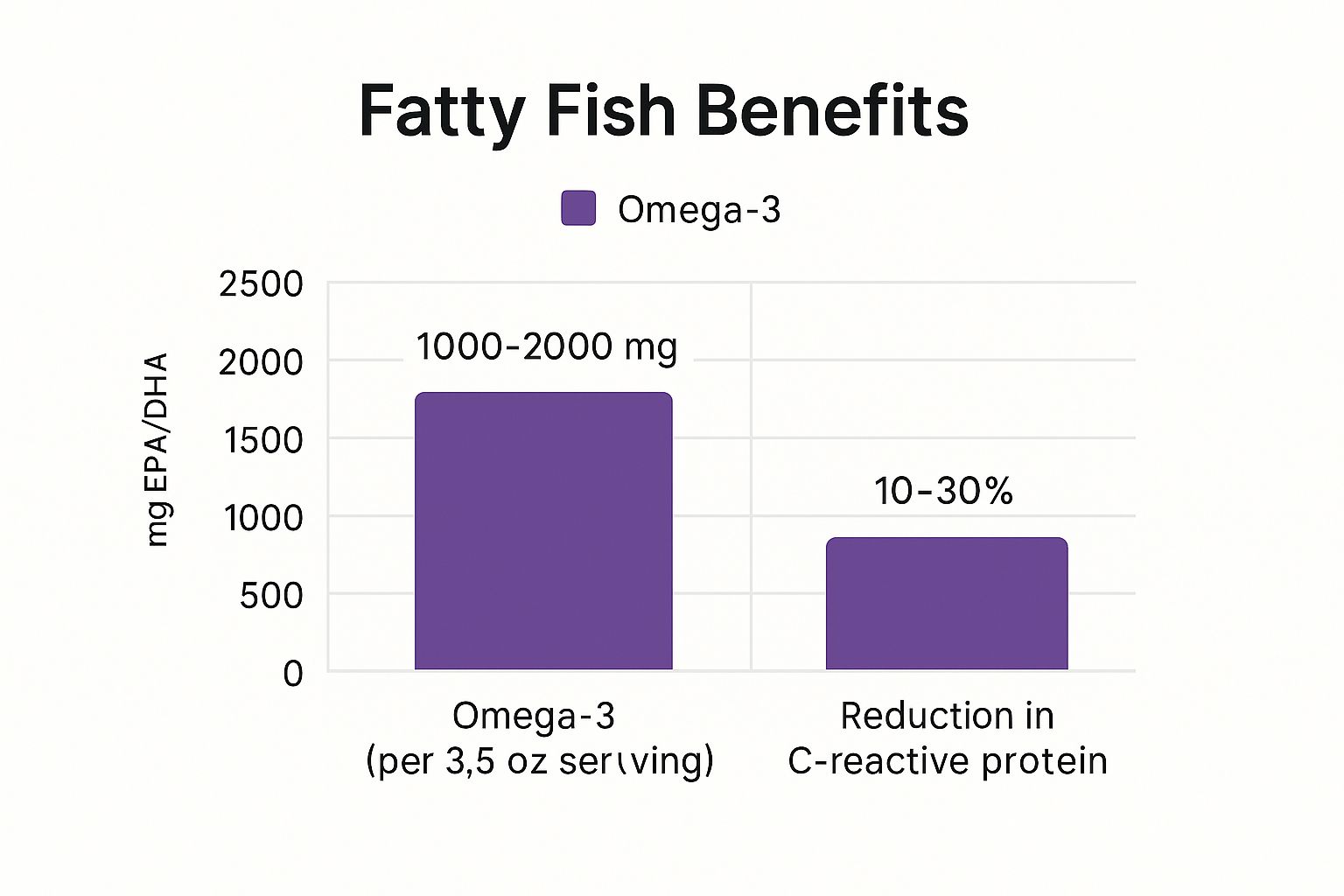
This visualization clearly shows that a standard serving of fatty fish not only delivers a significant dose of omega-3s but also corresponds with a measurable decrease in C-reactive protein, a primary indicator of inflammation in the body.
Don’t wait — relief is closer than you think.
2. Berries (Blueberries, Strawberries, Blackberries, Raspberries)
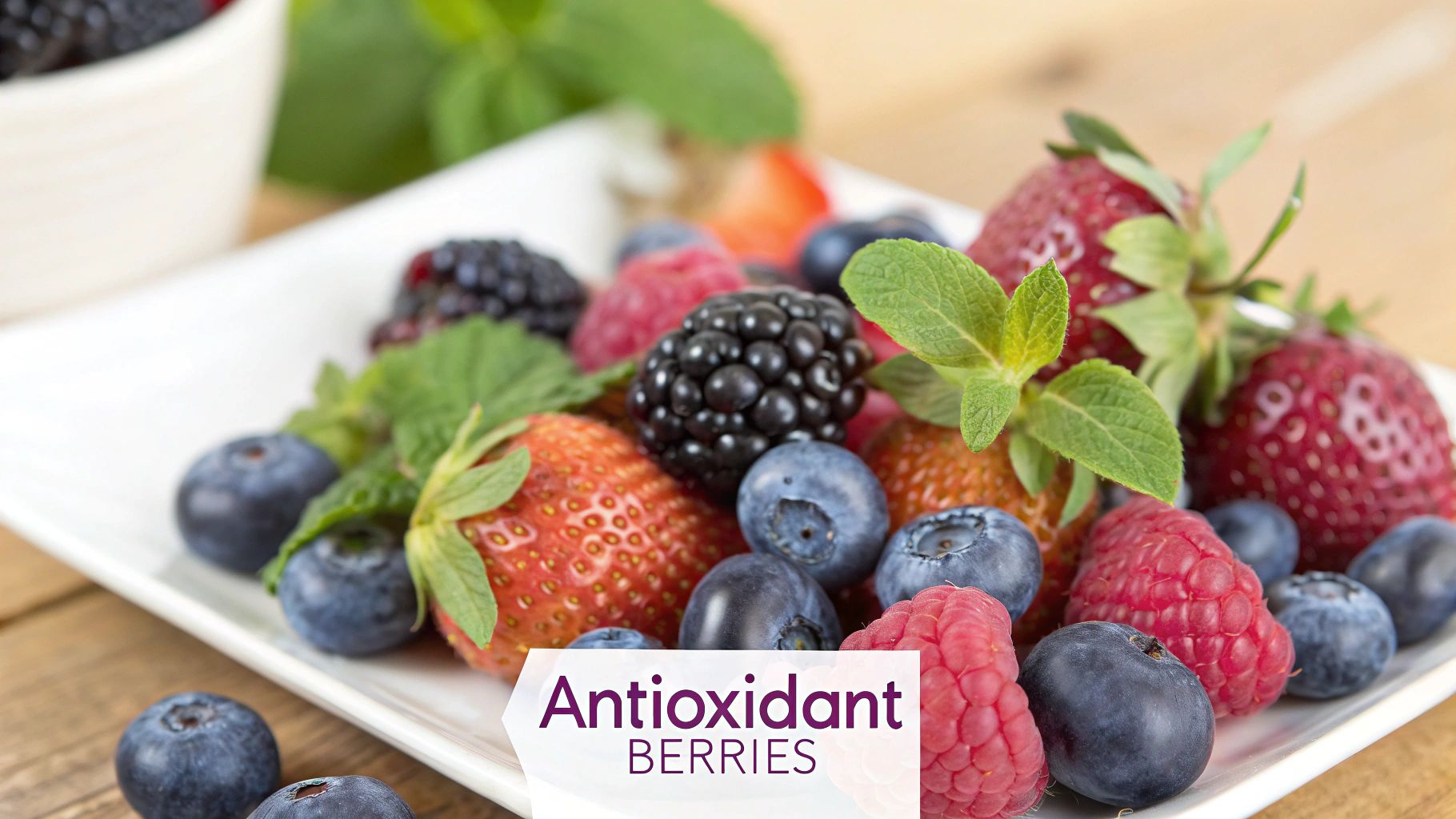
Berries are nutritional powerhouses packed with powerful antioxidant compounds called anthocyanins, which give them their vibrant colors and provide exceptional anti-inflammatory benefits. These delicious fruits contain high concentrations of polyphenols that neutralize damaging free radicals and help inhibit inflammatory pathways. Their accessibility and natural sweetness make them an easy and enjoyable addition to the best anti inflammatory foods list for combating systemic inflammation.
How It Works
The anti-inflammatory action of berries comes from their ability to signal a decrease in the body’s inflammatory responses. Anthocyanins and other flavonoids have been shown to lower markers of inflammation, such as C-reactive protein (CRP). Studies, including the landmark Harvard Nurses’ Health Study, have linked regular berry consumption to a reduced risk of inflammatory conditions. For some, incorporating these fruits can be part of a nutritious approach to helping migraine pain and other inflammation-related discomforts.
Actionable Tips for Integration
- Serving Goal: Aim for at least one cup of mixed berries daily to harness their full anti-inflammatory potential.
- Smart Shopping: Buy frozen berries for a cost-effective, year-round supply. They are frozen at peak ripeness, preserving their nutrient content.
- Easy Additions: Blend them into smoothies, stir them into oatmeal or yogurt, or simply enjoy a bowl as a snack. For a refreshing and beneficial drink, create berry-infused water.
- Variety is Key: Combine different types of berries, like blueberries, raspberries, and blackberries, to get a broader spectrum of powerful antioxidants.
3. Leafy Greens (Kale, Spinach, Swiss Chard, Collard Greens)
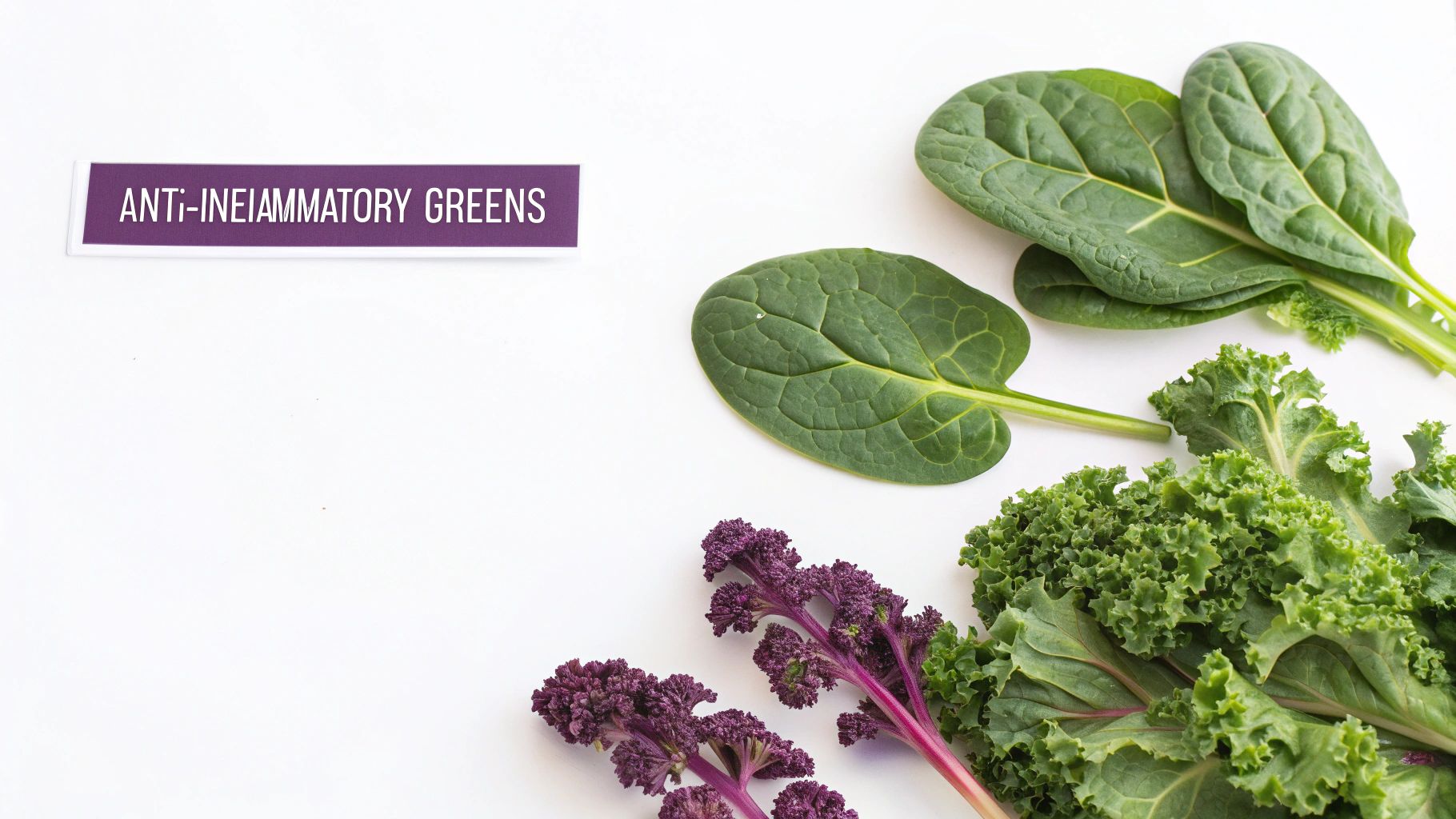
Dark leafy greens like kale, spinach, and Swiss chard are nutritional powerhouses and a cornerstone of any diet aiming to combat inflammation. They are densely packed with vitamins A, C, E, and K, along with potent antioxidants like carotenoids and flavonoids. These compounds work synergistically to protect your cells from oxidative stress, a key driver of chronic inflammation. Including these vegetables in your diet is a foundational step for anyone building a list of the best anti inflammatory foods to support overall wellness and pain management.
How It Works
The anti-inflammatory action of leafy greens comes from their high concentration of antioxidants and bioactive compounds that directly inhibit inflammatory pathways. For instance, Vitamin K helps regulate inflammatory responses, while flavonoids like kaempferol and quercetin, found in kale and spinach, have been shown to interrupt the production of inflammatory molecules. This makes them particularly effective for conditions linked to systemic inflammation, such as those seen in the Framingham Heart Study where higher green vegetable intake correlated with reduced cardiovascular inflammation.
Actionable Tips for Integration
- Serving Goal: Aim for at least two to three cups of leafy greens daily. This can be easily achieved by adding them to multiple meals.
- Enhance Absorption: Lightly steam greens instead of boiling to preserve water-soluble nutrients. Pair them with a healthy fat like olive oil or avocado to improve the absorption of fat-soluble vitamins (A, K, E).
- Smart Preparation: Add a cup of spinach to your morning smoothie for a nutrient boost without altering the taste. For kale, massage the leaves with a bit of lemon juice and olive oil to soften the texture and reduce bitterness, making it more enjoyable in salads.
4. Extra Virgin Olive Oil
Extra virgin olive oil (EVOO) is a cornerstone of the Mediterranean diet and a powerhouse of anti-inflammatory properties. Its standout component is oleocanthal, a natural phenolic compound that functions similarly to ibuprofen by inhibiting inflammatory enzymes. This liquid gold is also rich in monounsaturated fats and antioxidant polyphenols, which actively reduce inflammatory markers and protect cells from oxidative stress, solidifying its place as a top-tier choice on any best anti inflammatory foods list.
How It Works
The primary mechanism behind EVOO’s power is its ability to suppress inflammatory genes and proteins. The oleocanthal it contains directly targets the same inflammatory pathways as non-steroidal anti-inflammatory drugs (NSAIDs). Studies like the landmark PREDIMED trial have shown that a diet rich in EVOO significantly lowers the risk of cardiovascular events, directly tying its consumption to reduced systemic inflammation and better health outcomes. You can delve deeper into one of the most significant health advantages of this dietary staple by exploring olive oil’s anti-inflammatory benefits.
Actionable Tips for Integration
- Serving Goal: Aim for two to three tablespoons of high-quality EVOO daily, preferably consumed raw to preserve its delicate compounds.
- Selection: Choose certified extra virgin olive oil in a dark glass bottle that displays a harvest date. A peppery sensation in the back of your throat is a key indicator of high oleocanthal content.
- Usage: Drizzle EVOO over salads, steamed vegetables, or soups just before serving. Use it as a finishing oil rather than for high-heat cooking to protect its potent polyphenols from degrading.
5. Turmeric (Curcumin)
The golden spice turmeric contains curcumin, one of the most powerful and well-researched natural anti-inflammatory compounds. This key ingredient makes turmeric a cornerstone of any best anti inflammatory foods list. Curcumin works by inhibiting multiple inflammatory pathways at the molecular level, including the master inflammation switch, NF-kB. Its potent action is why this ancient Ayurvedic remedy is now supported by extensive modern research for managing chronic inflammatory conditions.
How It Works
Curcumin’s primary mechanism involves blocking the activity of enzymes and cytokines that trigger inflammation. By neutralizing these pro-inflammatory signals before they can take hold, it helps reduce swelling, stiffness, and pain. This makes it particularly effective for conditions like arthritis, where studies have shown curcumin to be as effective as some anti-inflammatory drugs. Its ability to combat systemic inflammation is a key reason for its inclusion in protocols for everything from joint health to cognitive function.
Actionable Tips for Integration
- Serving Goal: For therapeutic effects, aim for 500-2,000mg of curcuminoids daily, often best achieved through a high-quality supplement.
- Enhance Absorption: Always combine turmeric with black pepper. The piperine in black pepper can increase curcumin’s bioavailability by up to 2,000%. It is also fat-soluble, so mixing it with healthy fats like coconut oil or ghee improves absorption.
- Practical Uses: Add fresh or powdered turmeric to curries, soups, smoothies, and “golden milk” lattes. For those looking to learn more about how dietary choices can help with pain, our guide provides additional insights on how to manage chronic pain.
6. Green Tea
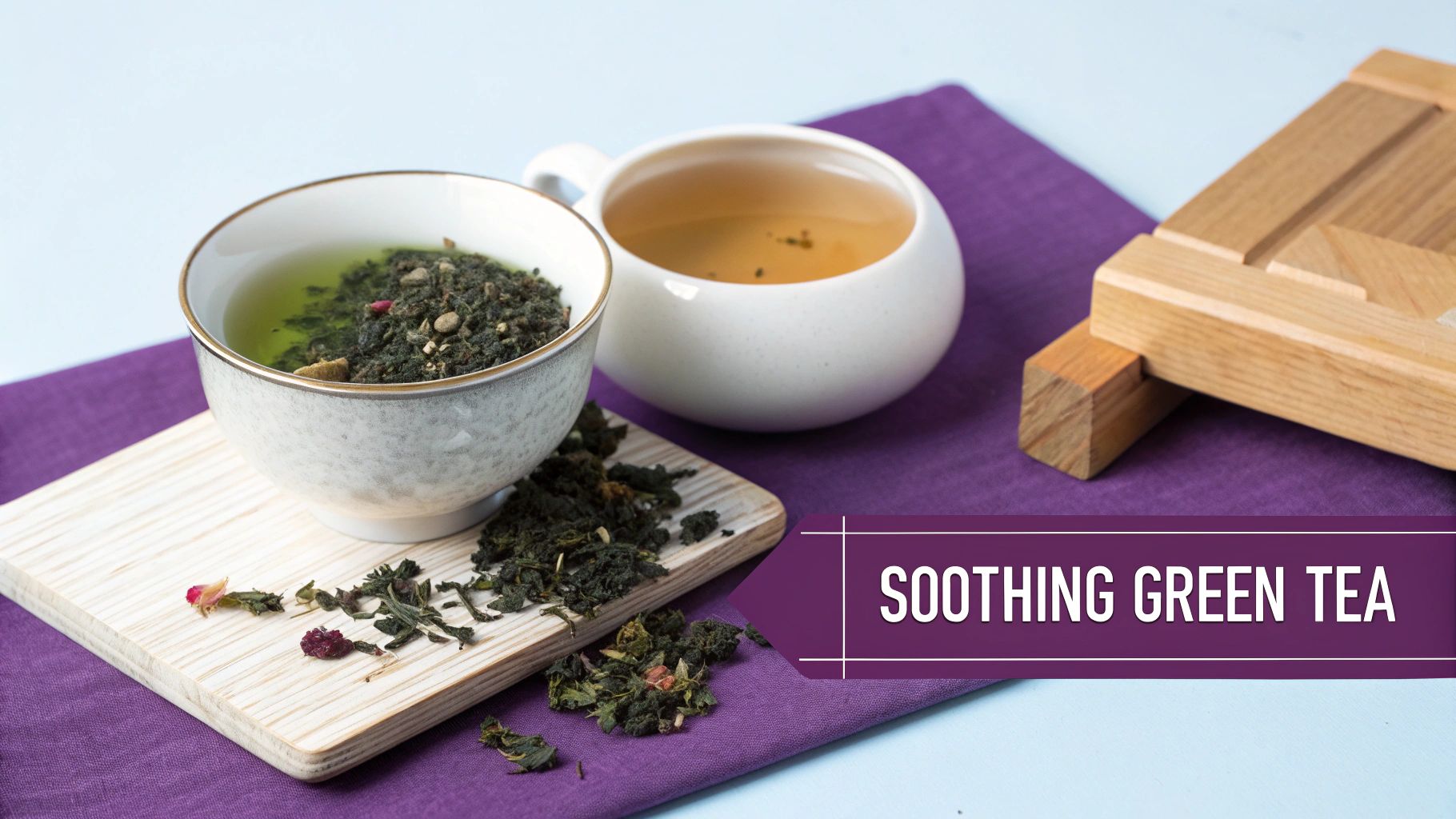
Green tea is renowned for its powerful polyphenolic compounds, particularly epigallocatechin gallate (EGCG), one of nature’s most potent anti-inflammatory and antioxidant molecules. Consumed for millennia in cultures known for longevity, this ancient beverage directly modulates inflammatory pathways and reduces the oxidative stress that contributes to chronic pain and disease. Its ability to calm systemic inflammation makes it a cornerstone of any diet aiming to improve wellness and a key player on our best anti inflammatory foods list.
How It Works
The EGCG in green tea works by inhibiting the production of pro-inflammatory chemicals like cytokines and enzymes such as COX-2, which are often targets for anti-inflammatory medications. This action helps protect cartilage and reduce symptoms associated with conditions like rheumatoid arthritis. Research, including studies on Japanese populations with high green tea intake, consistently links its consumption to lower rates of inflammatory diseases and improved metabolic health, reinforcing its therapeutic benefits.
Actionable Tips for Integration
- Serving Goal: Aim to drink three to five cups of green tea daily to achieve a consistent anti-inflammatory effect.
- Brewing Technique: Steep leaves at 160-180°F (70-80°C) for just 2-3 minutes. This preserves the delicate catechins and prevents a bitter taste.
- Smart Choices: Choose organic Japanese matcha for the highest concentration of EGCG. For an absorption boost, add a squeeze of lemon juice, which can increase your body’s uptake of EGCG significantly. Try cold-brewing overnight for a smoother, naturally sweeter flavor.
7. Nuts (Walnuts, Almonds, Pistachios)
Nuts are nutrient-dense powerhouses that serve as a crunchy, satisfying addition to any anti-inflammatory diet. They are packed with healthy monounsaturated and polyunsaturated fats, fiber, and an impressive array of compounds that fight inflammation, including antioxidants and phytochemicals. Walnuts stand out as a top choice, being one of the only nuts with a significant amount of alpha-linolenic acid (ALA), a plant-based omega-3 fatty acid. Their combination of healthy fats and micronutrients makes them an essential part of our best anti inflammatory foods list.
How It Works
The anti-inflammatory effects of nuts come from their unique nutritional profile. The ALA in walnuts, for example, is converted in the body to the same powerful omega-3s found in fish, helping to reduce inflammatory markers like C-reactive protein. Additionally, nuts are rich in antioxidants like vitamin E, which protect cells from oxidative stress, a key driver of chronic inflammation. Studies like the PREDIMED trial have strongly linked daily nut consumption to lower risks of heart disease and inflammation.
Actionable Tips for Integration
- Serving Goal: Aim for a small handful, about 1 to 1.5 ounces, daily to get the benefits without adding excessive calories.
- Smart Choices: Opt for raw or dry-roasted nuts without added salt, sugar, or oils. Store them in an airtight container in the refrigerator to prevent their healthy fats from going rancid.
- Easy Additions: Boost the nutritional value of your meals by adding chopped walnuts to oatmeal, slivered almonds to salads, or using a sugar-free nut butter as a dip for apple slices.
8. Tomatoes
Tomatoes are nutritional superstars rich in lycopene, a powerful carotenoid antioxidant that gives them their vibrant red color and provides exceptional anti-inflammatory benefits. This versatile fruit is a cornerstone of many healthy eating patterns, like the Mediterranean diet, and contains multiple bioactive compounds, including vitamin C and potassium, that work together to reduce oxidative stress. This synergistic effect makes tomatoes a valuable and easily accessible food for combating inflammation.
How It Works
The primary anti-inflammatory agent in tomatoes is lycopene, which neutralizes harmful free radicals that can trigger inflammatory responses in the body. Cooking tomatoes, especially with a healthy fat like olive oil, significantly increases the bioavailability of lycopene, making it easier for your body to absorb and use. Studies, notably from researchers like Dr. Edward Giovannucci, have linked high lycopene intake to a reduced risk of certain chronic diseases, including prostate cancer and cardiovascular issues, by mitigating underlying inflammation.
Actionable Tips for Integration
- Serving Goal: Aim for at least one cup of tomato products daily, which can include fresh tomatoes, sauce, or paste.
- Cooking Methods: Roast or stew tomatoes with a splash of olive oil to maximize lycopene absorption. Cooked tomato products like paste and sauce offer a more concentrated source.
- Smart Choices: Opt for deep red varieties, as they typically contain higher levels of lycopene. When using canned products, choose BPA-free cans or glass jars to avoid potential chemical exposure. Using a tablespoon of tomato paste can provide a lycopene boost equivalent to a medium fresh tomato.
9. Ginger
Ginger is a versatile and pungent spice celebrated for its powerful medicinal properties, particularly its ability to combat inflammation. The root contains potent bioactive compounds, most notably gingerol, which are responsible for its distinctive flavor and therapeutic effects. For centuries, traditional medicine systems like Ayurveda and Traditional Chinese Medicine have utilized ginger to treat a wide range of ailments, from nausea to chronic pain, securing its place as a staple in any best anti inflammatory foods list. It works by inhibiting pro-inflammatory enzymes and pathways, offering a natural alternative for managing inflammatory conditions.
How It Works
The anti-inflammatory power of ginger lies in gingerol and related compounds like shogaols, which directly target and suppress the production of inflammatory cytokines and chemokines. This mechanism is similar to that of nonsteroidal anti-inflammatory drugs (NSAIDs) like ibuprofen. Clinical studies have shown ginger to be effective in reducing muscle soreness after exercise and alleviating pain associated with osteoarthritis and menstrual cramps. By disrupting these inflammatory signals at a molecular level, ginger helps calm the body’s inflammatory response and provides tangible pain relief.
Actionable Tips for Integration
- Serving Goal: Aim for 1-2 grams of fresh ginger root daily. For supplements, 500-1000mg of a standardized extract is often recommended.
- Easy Additions: Grate fresh ginger into stir-fries, smoothies, soups, or steep slices in hot water for a soothing anti-inflammatory tea.
- Synergistic Pairing: Combine ginger with turmeric in cooking or teas. The active compounds in both spices work together to enhance their overall anti-inflammatory benefits.
- Smart Choices: Select fresh ginger root that has smooth, tight skin and is firm to the touch. You can store it in the refrigerator or freeze it for long-term use.
10. Dark Chocolate (70%+ Cacao)
Quality dark chocolate, specifically with a cacao content of 70% or higher, is a functional food that offers significant anti-inflammatory benefits. It is packed with antioxidants known as flavonoids, particularly a type called flavanols, which are also found in berries and tea. The cacao plant contains a higher concentration of these antioxidant compounds than most other foods, and when minimally processed, these powerful agents remain intact, making dark chocolate a delicious and effective addition to our best anti inflammatory foods list.
How It Works
The flavanols in dark chocolate help protect the body against free radical damage and reduce inflammation. These compounds have been shown to improve the health of the cells lining your arteries, lower blood pressure, and improve blood flow, all of which contribute to a lower inflammatory state. Research, including studies on the Kuna Indians of Panama who consume large amounts of flavanol-rich cacao, links high flavanol intake to better cardiovascular health and lower rates of inflammatory-related diseases.
Actionable Tips for Integration
- Serving Goal: Aim for 1-2 ounces (28-56 grams) of at least 70% cacao dark chocolate daily to reap the benefits without excessive sugar or calories.
- Maximize Potency: Choose 85% cacao or higher for the maximum flavanol content and minimal sugar. Look for minimally processed options with short ingredient lists.
- Smart Pairings: Combine a square of dark chocolate with a handful of almonds or berries to create an anti-inflammatory powerhouse snack. The combination can also aid in pain management strategies, similar to how innovative treatments like cold laser therapy target inflammation.
Anti-Inflammatory Foods Comparison Table
| Item | Implementation Complexity 🔄 | Resource Requirements ⚡ | Expected Outcomes 📊 | Ideal Use Cases 💡 | Key Advantages ⭐ |
|---|---|---|---|---|---|
| Fatty Fish (Salmon, Mackerel, Sardines, Anchovies) | Moderate (cooking, sourcing) | Moderate to High (cost, storage) | Strong reduction in inflammatory markers (10-30%) | Managing chronic inflammation, heart & brain health | High EPA/DHA content, quick cooking |
| Berries (Blueberries, Strawberries, Blackberries, Raspberries) | Low (ready to eat, minimal prep) | Low to Moderate (seasonal cost) | Significant antioxidant and inflammation reduction (up to 25%) | Daily antioxidant boost, cognitive support | High anthocyanins, versatile consumption |
| Leafy Greens (Kale, Spinach, Swiss Chard, Collard Greens) | Low to Moderate (prep varies) | Low (widely available, affordable) | Cardiovascular inflammation reduction (~20%) | Detoxification, bone health, weight management | Rich in vitamins K, A, C; versatile usage |
| Extra Virgin Olive Oil | Low (use as ingredient/dressing) | Moderate to High (quality varies) | Significant inflammatory biomarker reduction | Mediterranean diet, cardiovascular protection | Oleocanthal content, stable shelf life |
| Turmeric (Curcumin) | Moderate (enhanced absorption needed) | Low to Moderate (supplements available) | Comparable to NSAIDs in some conditions | Arthritis, cognitive decline, multi-pathway inhibition | Potent anti-inflammatory, affordable |
| Green Tea | Low (brewing) | Low (widely available) | Reduced inflammation, 20-30% lower cardiovascular risk | Daily anti-inflammatory drink, metabolic support | High EGCG content, calming energy |
| Nuts (Walnuts, Almonds, Pistachios) | Low (ready to eat) | Moderate (costly, storage) | Reduced inflammatory markers by 10-25% | Heart health, portable snack, longevity studies | Nutrient-dense, omega-3s in walnuts |
| Tomatoes | Low to Moderate (raw or cooked) | Low (widely available, affordable) | Reduced inflammation and oxidative stress by 20-30% | Versatile cooking, skin and cardiovascular health | Lycopene-rich, enhanced by cooking with fat |
| Ginger | Low to Moderate (fresh or supplement) | Low (fresh, dried, or supplements) | Reduces pain and inflammatory markers by 25-40% | Pain relief, digestive health, immune support | Broad anti-inflammatory action, warming flavor |
| Dark Chocolate (70%+ Cacao) | Low (ready to eat) | Moderate to High (quality varies) | Reduces inflammatory markers, improves endothelial function | Mood improvement, cardiovascular benefits, indulgence | Rich in flavanols, antioxidant power |
Integrating Nutrition with Professional Care for Lasting Relief
Navigating the world of chronic inflammation can feel overwhelming, but as we’ve explored, your diet is one of the most powerful tools at your disposal. Embracing the items on this best anti inflammatory foods list is more than just a dietary change; it’s a proactive step toward reclaiming your health and well-being. From the omega-3 fatty acids in salmon to the potent antioxidants in berries and leafy greens, each food offers a unique way to combat inflammation, reduce pain, and support your body’s natural healing processes.
The key takeaway is consistency. A single turmeric latte or a handful of walnuts is beneficial, but the true power lies in building a sustainable eating pattern. Think of these foods not as a temporary fix but as foundational elements of a lifestyle that prioritizes your health. By consistently incorporating fatty fish, vibrant berries, dark leafy greens, and spices like ginger and turmeric, you provide your body with a steady stream of the compounds it needs to keep inflammation in check. This approach supports everything from joint health and cardiovascular function to cognitive clarity and pain management.
From Your Plate to Your Spine: A Holistic Approach
While nutrition is a critical component, it’s essential to recognize that it works best as part of a comprehensive wellness strategy. The foods you eat can reduce systemic inflammation, but if the root cause of your pain is structural, such as a spinal misalignment, diet alone may not provide complete relief. This is where integrating your nutritional efforts with professional care becomes a game-changer.
Proper chiropractic care ensures your nervous system is functioning optimally, which is crucial for managing your body’s inflammatory response. When your spine is aligned, your body can better coordinate its healing mechanisms and more effectively utilize the powerful nutrients you’re consuming. For individuals with neck and back pain, expectant mothers, or those recovering from accidents, this integrated approach can significantly accelerate recovery and provide more sustainable, long-term relief.
Actionable Next Steps for a Pain-Free Future
Mastering this combined approach is invaluable because it empowers you to take control of your health from multiple angles. You are not just masking symptoms; you are addressing the underlying issues from the inside out and the outside in.
- Start Small: Choose two or three foods from this list to incorporate into your meals this week.
- Plan Ahead: Dedicate a few hours to meal prep, ensuring healthy, anti-inflammatory options are always on hand.
- Listen to Your Body: Pay attention to how you feel as you make these changes. Note any reductions in pain, stiffness, or fatigue.
- Seek Professional Guidance: If pain persists, don’t wait. A professional assessment can identify structural issues that diet alone cannot resolve.
Ultimately, combining the benefits of an anti-inflammatory diet with chiropractic care creates a powerful synergy for healing. It’s an investment in your long-term health, helping you not only manage current discomfort but also build a more resilient foundation for the future. Take the next step on your wellness journey today.
If you are experiencing persistent pain and inflammation, combining a nutrient-rich diet with professional care can provide lasting relief. The team at Audubon Park Chiropractic is here to help. Call us at (509) 327-4049 to discuss a personalized treatment plan that complements your healthy lifestyle. Walk-ins are also welcome.
Ready to Feel Better?
Our Spokane chiropractors are ready to help. Walk-ins welcome — no appointment needed.

Dr. Michelle Snyder is a Spokane chiropractor with advanced training in women’s health, hormone balancing, pregnancy, and care for infants and children. She uses gentle low-force spinal adjustments alongside specialized therapies including Webster’s breech technique, allergy desensitization, cold laser therapy, EB cellular cleanse, and Methylation/genetic nutrition — offering patients a comprehensive, whole-body approach to wellness.
A Spokane resident for over 31 years, Dr. Michelle is deeply committed to her community, contributing time and resources to organizations including Meals-on-Wheels, Second Harvest, Ronald McDonald House, and the Union Gospel Mission.
📍 2909 W. Northwest Blvd, Spokane, WA 99205 | ☎ (509) 327-4049 audubonparkchiropractic.com
Further Reading: Healthy Living
- Natural Remedies for Muscle Spasms: What Actually Works
- The Anti-Inflammatory Foods List: Foods That Calm Pain and Foods That Fuel It
- Herniated & Bulging Disc: The Exercises That Help (and the Ones to Skip)
- What Actually Happens at Your First Chiropractic Visit & And What to Expect in the First Few Weeks
- Pricing, Insurance and What Chiropractic Actually Costs at Audubon Park
→ Complete Guide: Wellness Care at Audubon Park Chiropractic