

This post is part of our complete guide to Cold Laser Therapy in Spokane, WA. Browse the guide for more in-depth information on treatments, exercises, and recovery strategies.
Imagine a treatment that uses the power of light to relieve pain, accelerate healing, and reduce inflammation, all without surgery or medication. This is the reality of Cold Laser Therapy, also known as Low-Level Laser Therapy (LLLT) or photobiomodulation. This non-invasive technique uses specific wavelengths of light to interact with tissue, helping to stimulate and enhance the body’s natural healing processes at a cellular level.
As more people seek safe, effective alternatives to traditional pain management, this innovative therapy is at the forefront of that movement. Its applications are broad, offering potential relief for a wide range of individuals. This includes those with chronic neck and back pain, athletes recovering from injuries, and even expectant mothers looking for safe treatment options during pregnancy.
Understanding the core benefits of cold laser therapy is the first step toward reclaiming your health and achieving a pain-free life. This guide will break down the seven most significant advantages of this treatment. We’ll explore how it works, who it can help, and why it might be the solution you’ve been searching for on your wellness journey. Let’s explore how light can unlock your body’s innate healing power.
1. Pain Reduction and Relief
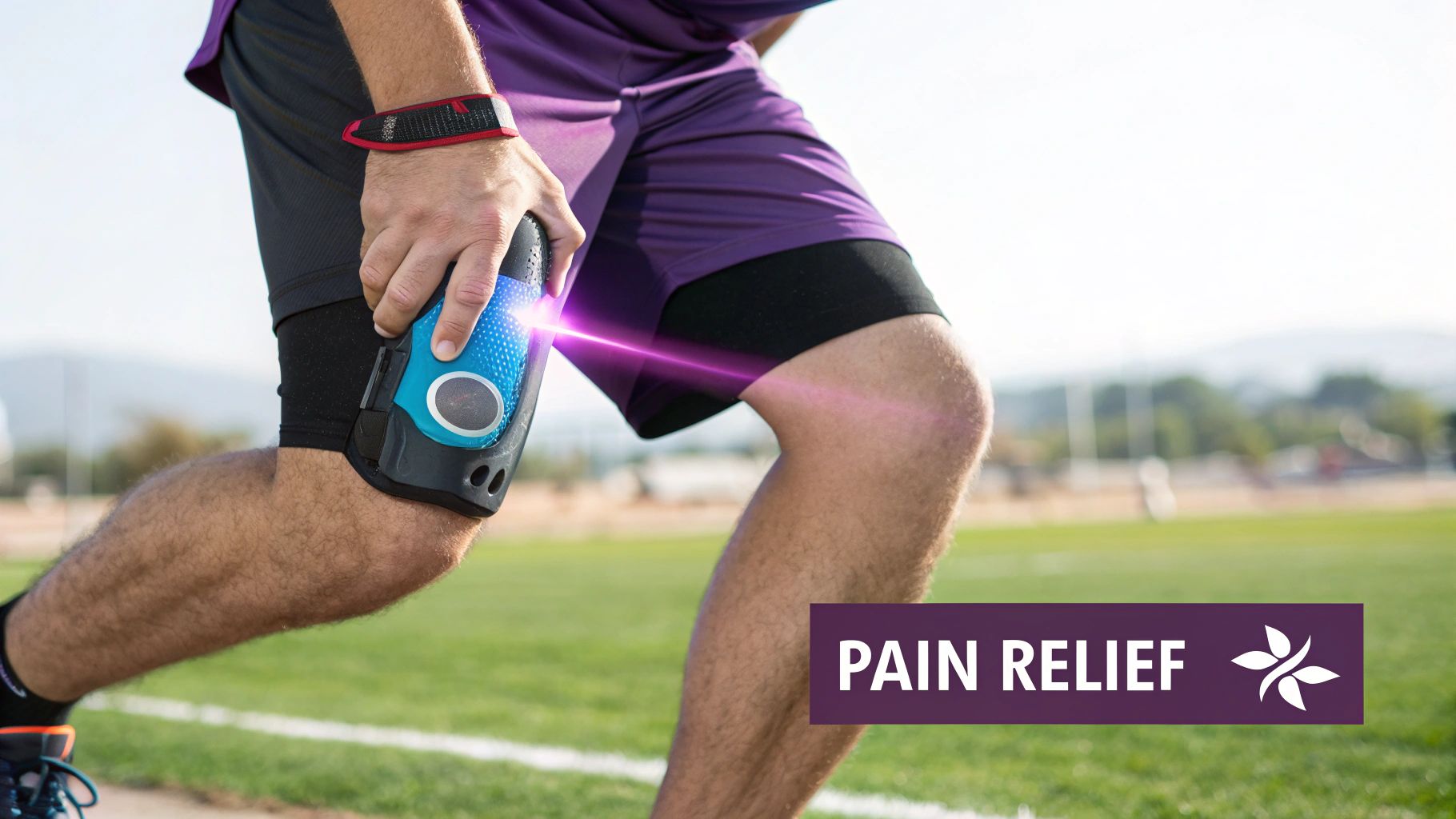
One of the most significant benefits of cold laser therapy is its ability to provide effective, non-invasive pain management. This therapy, also known as low-level laser therapy (LLLT), utilizes specific wavelengths of light to interact with tissue. The process helps accelerate healing by stimulating cellular repair and regeneration, but its most immediate effect is often a noticeable reduction in pain.
Unlike pain medications that simply mask symptoms, cold laser therapy addresses pain at a cellular level. The light energy penetrates the skin and is absorbed by cells, triggering a cascade of biological reactions. This process boosts the production of ATP (adenosine triphosphate), the energy currency of the cell, which fuels repair. Simultaneously, it stimulates the release of endorphins, the body’s natural painkillers, and helps block pain signals from being transmitted to the brain.
How It Works for Different Conditions
The application of cold laser therapy for pain relief is incredibly versatile. It offers a drug-free alternative for a wide array of acute and chronic conditions.
- Chronic Lower Back Pain: Office workers or individuals with physically demanding jobs often find relief as the laser reduces inflammation in the lumbar spine.
- Arthritis: For elderly patients, LLLT can decrease joint inflammation and stiffness, improving mobility and quality of life.
- Sports Injuries: Athletes use it to manage pain from sprains, strains, and tendonitis, helping them return to their sport more quickly. For complex conditions like radiating leg pain, understanding all available treatments is key; you can discover more about chiropractic treatments for sciatica and how they might complement laser therapy.
- Post-Operative Pain: Following dental or minor surgical procedures, cold laser therapy can reduce swelling and discomfort, minimizing the need for prescription painkillers.
Practical Tips for Maximizing Pain Relief
To get the most out of your sessions, consider these actionable steps:
- Combine Therapies: Pair cold laser therapy with physical therapy or chiropractic adjustments for a comprehensive approach that addresses both pain and its underlying cause.
- Stay Consistent: Chronic conditions like arthritis or long-term back pain benefit most from a regular treatment schedule. Consistency allows the cumulative effects of the therapy to build over time.
- Hydrate Well: Proper hydration is crucial for optimal cellular function. Drinking plenty of water helps your body’s cells respond more effectively to the laser treatment.
Don’t wait — relief is closer than you think.
2. Accelerated Tissue Healing and Repair
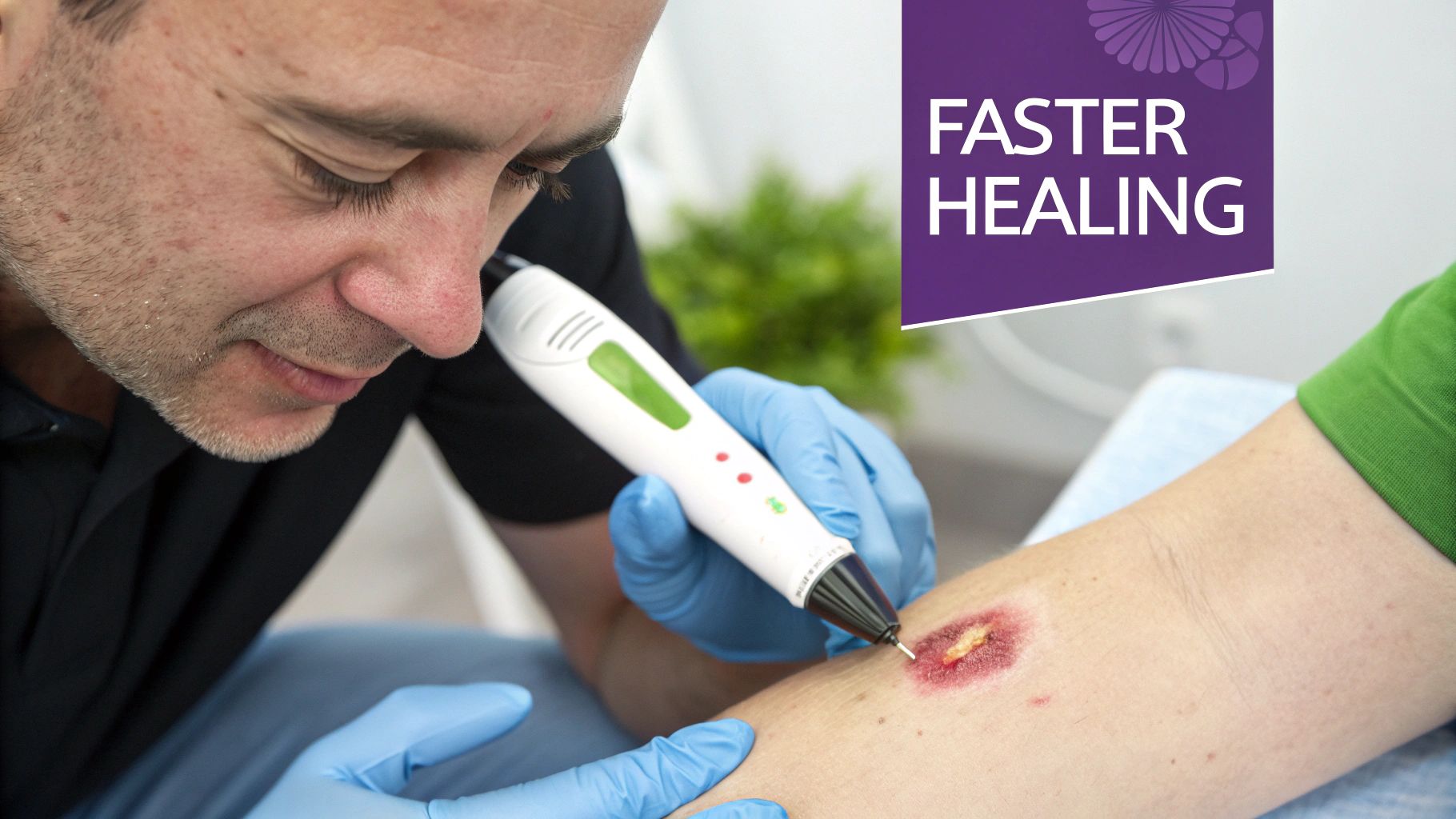
Beyond just managing symptoms, one of the core benefits of cold laser therapy is its ability to fundamentally enhance the body’s own healing mechanisms. This therapy works by delivering targeted light energy to damaged tissues, a process known as photobiomodulation. This energy jumpstarts cellular metabolism, significantly boosting the production of ATP, which provides the necessary fuel for cells to repair and regenerate more efficiently.
This cellular boost accelerates every phase of the natural healing process. The light energy promotes increased collagen synthesis, which is crucial for rebuilding tissue integrity, and enhances circulation to the affected area. This improved blood flow delivers more oxygen and vital nutrients while effectively removing waste products, creating an optimal environment for rapid recovery from injuries, wounds, and post-surgical trauma.
How It Works for Different Conditions
Cold laser therapy’s ability to speed up recovery is applied across a diverse range of medical and therapeutic settings. It provides a non-invasive tool to support and quicken the body’s restorative functions.
- Post-Surgical Wound Healing: Following procedures in plastic surgery or general surgery, the laser helps reduce scarring and accelerates the closure of incisions.
- Diabetic Ulcers: In podiatry clinics, it is used to stimulate healing in chronic, non-healing wounds like diabetic foot ulcers, often improving outcomes where other treatments have stalled.
- Sports Medicine: For athletes with muscle strains or tears, LLLT promotes faster regeneration of muscle fibers, reducing downtime and getting them back in the game sooner.
- Burn Treatment: Rehabilitation centers may use cold laser therapy to support skin regeneration and minimize scar tissue formation in burn victims.
Practical Tips for Maximizing Healing
To optimize the regenerative effects of your cold laser therapy sessions, consider these proactive steps:
- Start Early: Begin treatment as soon as possible following an injury or surgery, as this can significantly shorten the overall recovery timeline.
- Stay Consistent: Adhering to the recommended treatment protocol is vital. The cumulative biological effects of consistent sessions build upon each other, leading to more robust and faster healing.
- Focus on Nutrition: Support your body’s repair processes by combining therapy with a diet rich in protein, vitamins, and minerals essential for tissue regeneration.
- Avoid Hindrances: Smoking and excessive alcohol consumption are known to impair the body’s healing capacity. Avoiding them during your recovery period will allow the therapy to work more effectively.
3. Inflammation Reduction
Another primary benefit of cold laser therapy is its powerful anti-inflammatory effect. Inflammation is the body’s natural response to injury, but when it becomes chronic, it can lead to persistent pain and delayed healing. Cold laser therapy, or photobiomodulation, addresses inflammation directly at the source, offering a targeted way to calm irritated tissues and restore balance without the side effects associated with long-term medication use.
The light energy from the laser penetrates deep into the affected tissue, where it works to decrease the presence of inflammatory markers. It modulates the production of pro-inflammatory cytokines and reduces prostaglandin levels, which are key drivers of the inflammatory response. Additionally, the therapy enhances lymphatic drainage, helping to clear swelling and excess fluid from the area more efficiently. This results in reduced redness, swelling, and pain associated with both acute and chronic inflammatory conditions.
How It Works for Different Conditions
The anti-inflammatory properties of cold laser therapy make it a valuable tool in various clinical and wellness settings. It provides a non-pharmacological method for managing inflammation across a spectrum of health issues.
- Rheumatoid Arthritis: In rheumatology, it is used to manage joint inflammation, helping to decrease pain and stiffness for patients with autoimmune conditions.
- Tendinitis: Physical therapy practices frequently use cold laser therapy to treat tendinitis and other repetitive strain injuries by reducing inflammation in the affected tendons.
- Post-Exercise Recovery: Athletes leverage this therapy to minimize post-exercise inflammation, reduce muscle soreness, and accelerate recovery between training sessions.
- Post-Surgical Swelling: Applying cold laser therapy after a procedure can help manage swelling and inflammation, promoting a faster and more comfortable healing process.
Practical Tips for Maximizing Inflammation Reduction
To enhance the anti-inflammatory benefits of your treatment sessions, incorporate these strategies:
- Combine with an Anti-Inflammatory Diet: Support the therapy’s effects by consuming foods rich in omega-3s, antioxidants, and other anti-inflammatory nutrients.
- Avoid Pro-Inflammatory Activities: During your treatment period, try to limit activities or lifestyle habits, like smoking or excessive sugar intake, that can worsen inflammation.
- Stay Consistent with Treatments: Chronic inflammation responds best to cumulative therapeutic effects. Adhering to the recommended treatment schedule is crucial for achieving long-term results.
4. Improved Blood Circulation and Lymphatic Flow
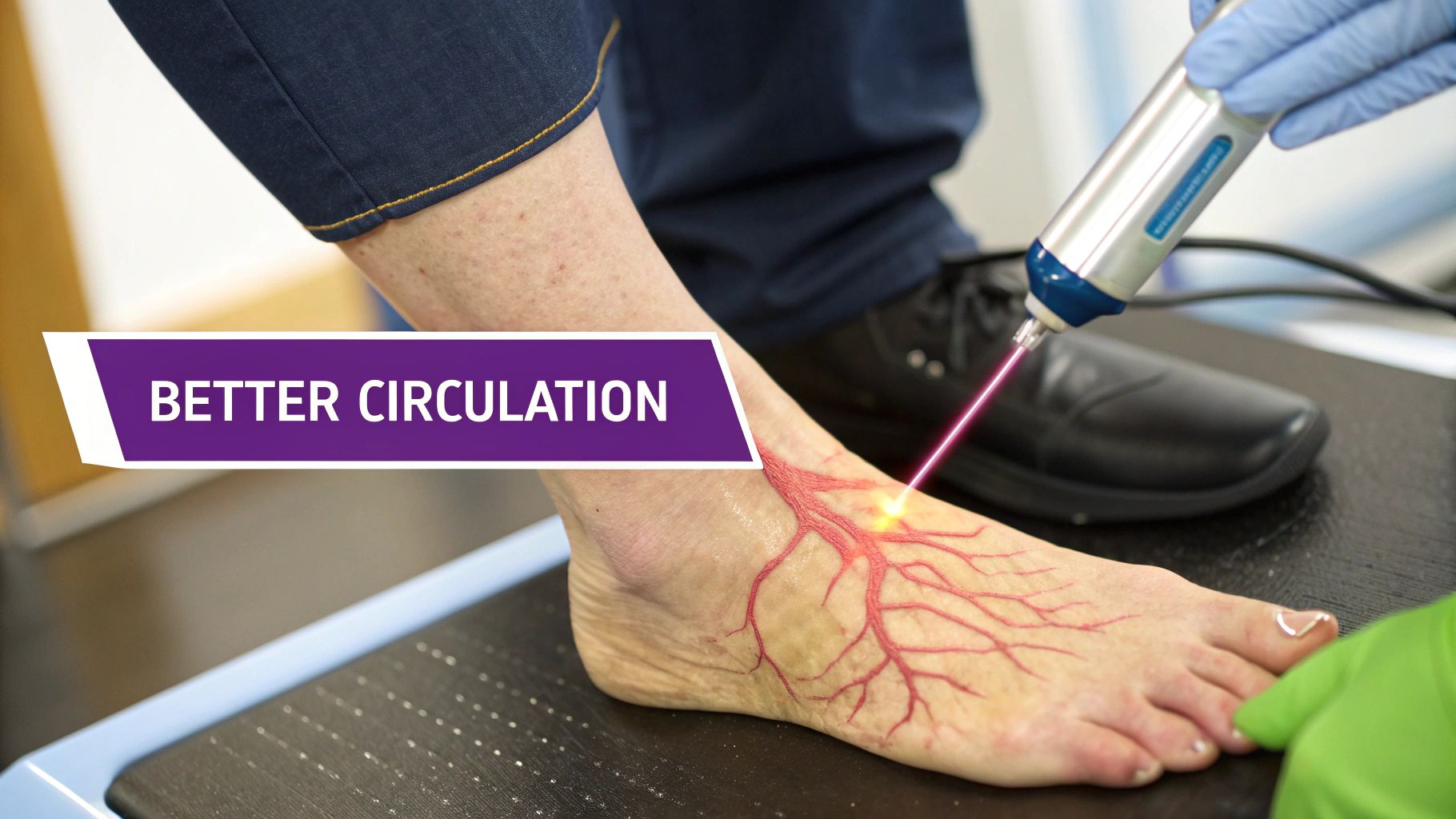
Another key benefit of cold laser therapy is its impact on vascular and lymphatic systems, promoting enhanced circulation throughout the treated area. The therapy works by stimulating the production of nitric oxide, a crucial molecule that causes blood vessels to widen, a process known as vasodilation. This widening effect improves blood flow, allowing more oxygen and essential nutrients to reach damaged tissues, which is fundamental for healing.
This enhanced microcirculation not only nourishes cells but also improves the body’s waste removal processes. As blood flow increases, the lymphatic system, which is responsible for draining excess fluid and cellular debris, becomes more efficient. Improved lymphatic drainage helps reduce swelling and removes metabolic byproducts from the site of injury or inflammation, creating an optimal environment for tissue repair.
How It Works for Different Conditions
The ability to boost circulation and drainage makes cold laser therapy a valuable tool for managing conditions where poor blood flow is a contributing factor. This non-invasive treatment supports the body’s natural circulatory functions.
- Diabetic Neuropathy: For individuals with diabetes, LLLT can improve circulation in the extremities, particularly the feet, helping to alleviate neuropathic pain and support tissue health.
- Lymphedema Management: Following cancer treatments that affect lymph nodes, patients often experience lymphedema (swelling). Cold laser therapy can help manage this condition by stimulating lymphatic flow and reducing fluid buildup.
- Chronic Venous Insufficiency: This therapy can help improve blood flow in the legs, reducing symptoms like swelling, aching, and skin changes associated with poor vein function.
- Wound Healing: By delivering more oxygen and nutrients to a wound site and removing waste, the therapy accelerates the healing of chronic ulcers and post-surgical incisions.
Practical Tips for Maximizing Circulatory Benefits
To enhance the circulatory effects of your cold laser therapy sessions, integrate these simple habits:
- Stay Well-Hydrated: Drink ample water before and after your treatment. Proper hydration supports healthy blood volume and ensures the lymphatic system can function effectively.
- Perform Gentle Movement: Engaging in light activity, such as a short walk after your session, can further stimulate blood flow and help circulate the benefits of the therapy throughout your body.
- Avoid Tight Clothing: Wear loose, comfortable clothing around the treated area to prevent any restriction of blood and lymphatic flow.
- Consider Compression Therapy: In some cases, particularly for lymphedema or venous insufficiency, combining cold laser therapy with compression garments can yield superior results.
5. Enhanced Nerve Function and Regeneration
Beyond muscle and joint repair, one of the more advanced benefits of cold laser therapy is its ability to promote nerve healing and improve neurological function. This non-invasive therapy uses specific light frequencies to penetrate tissues and stimulate nerve cells, supporting the body’s natural regenerative processes. For individuals with nerve damage or dysfunction, this can mean a significant improvement in symptoms and overall quality of life.
The therapy works by enhancing the cellular environment necessary for nerve repair. The light energy is absorbed by mitochondria within nerve cells, boosting ATP production and providing the fuel needed for regeneration. This process stimulates the proliferation of Schwann cells, which are critical for creating the protective myelin sheath around nerve fibers. It also increases the production of nerve growth factors (NGFs), which are essential for the survival, maintenance, and regrowth of neurons, ultimately improving nerve conduction velocity and function.
How It Works for Different Conditions
The neurological applications of cold laser therapy are broad, offering a supportive, drug-free option for various nerve-related issues. It helps address both the symptoms and the underlying cellular dysfunction.
- Carpal Tunnel Syndrome: For office workers or those in repetitive motion jobs, the laser can reduce inflammation and pressure on the median nerve in the wrist, alleviating pain, numbness, and tingling.
- Diabetic Peripheral Neuropathy: Patients with diabetes often find relief as LLLT improves microcirculation and stimulates nerve repair in the extremities, reducing burning sensations and restoring feeling.
- Bell’s Palsy: The therapy can accelerate the recovery of facial nerve function by reducing inflammation and promoting the regeneration of damaged nerve fibers.
- Post-Surgical Nerve Repair: Following surgery, cold laser therapy can be used to enhance the healing of severed or damaged nerves, reducing scar tissue formation and improving functional outcomes. It can even be a complementary therapy for complex conditions that involve nerve irritation, such as certain types of headaches; you can find more information about a nutritious approach to helping migraine pain and how lifestyle factors intersect with nerve health.
Practical Tips for Maximizing Nerve Regeneration
To achieve the best possible results from your nerve-focused treatments, consider these actionable steps:
- Be Patient: Nerve tissue heals much more slowly than other tissues in the body. Consistency and patience are key, as the benefits are cumulative and may take several weeks or months to become fully apparent.
- Combine with Movement: Gentle, targeted movements like nerve gliding exercises can help prevent nerve adhesions and improve mobility. Consult with your therapist to learn exercises appropriate for your condition.
- Manage Underlying Conditions: For conditions like diabetic neuropathy, maintaining optimal blood sugar levels is crucial for creating an environment where nerves can heal effectively.
- Avoid Aggravating Activities: Be mindful of postures or activities that compress or irritate the affected nerve. Modifying your ergonomics or daily habits can prevent further damage and support the healing process.
6. Muscle Relaxation and Spasm Reduction
Another key benefit of cold laser therapy is its effect on muscle tension and spasms. This therapy offers a gentle yet powerful way to calm overactive muscles, providing relief from the stiffness and pain associated with muscle guarding and trigger points. It works by targeting the physiological mechanisms that cause muscles to contract involuntarily.
Cold laser therapy helps normalize muscle function at a cellular level. The light energy penetrates deep into muscle tissue, improving local circulation and enhancing oxygen delivery. This process helps flush out metabolic waste products that can contribute to muscle irritation. Furthermore, the therapy helps to regulate the nerve impulses that control muscle contractions, effectively reducing the excitability of muscle spindles and calming the painful feedback loop of a spasm.
How It Works for Different Conditions
This therapy is highly effective for a range of conditions where muscle tension is a primary symptom, offering a non-pharmaceutical approach to restore muscle balance.
- Neck and Shoulder Tension: Office workers who spend hours at a desk often find significant relief as the laser helps release tight trapezius and neck muscles.
- Lower Back Spasms: For manual laborers or individuals who have strained their back, LLLT can quickly reduce acute spasms and protective muscle guarding, facilitating movement.
- Athletic Muscle Recovery: Professional athletes use this therapy to speed up recovery, reduce post-exercise soreness, and treat muscle cramps or strains.
- Fibromyalgia Management: Patients with fibromyalgia can experience a reduction in tender point sensitivity and widespread muscle pain, improving their overall comfort.
Practical Tips for Maximizing Muscle Relaxation
To enhance the muscle-relaxing effects of your treatment, consider incorporating these simple strategies:
- Combine with Gentle Stretching: Following a session, perform gentle stretching exercises to lengthen the newly relaxed muscle fibers and improve your range of motion.
- Stay Hydrated: Proper hydration is essential for healthy muscle function and can prevent cramping. Drinking adequate water supports the cellular benefits of the laser treatment.
- Avoid Strenuous Activity: Give your muscles time to heal and adjust. Avoid intense physical activity immediately after a session to prevent re-aggravating the treated area. For a deeper understanding of complementary approaches, explore some natural remedies for muscle spasms to support your recovery.
7. Stimulation of Collagen Production and Skin Health
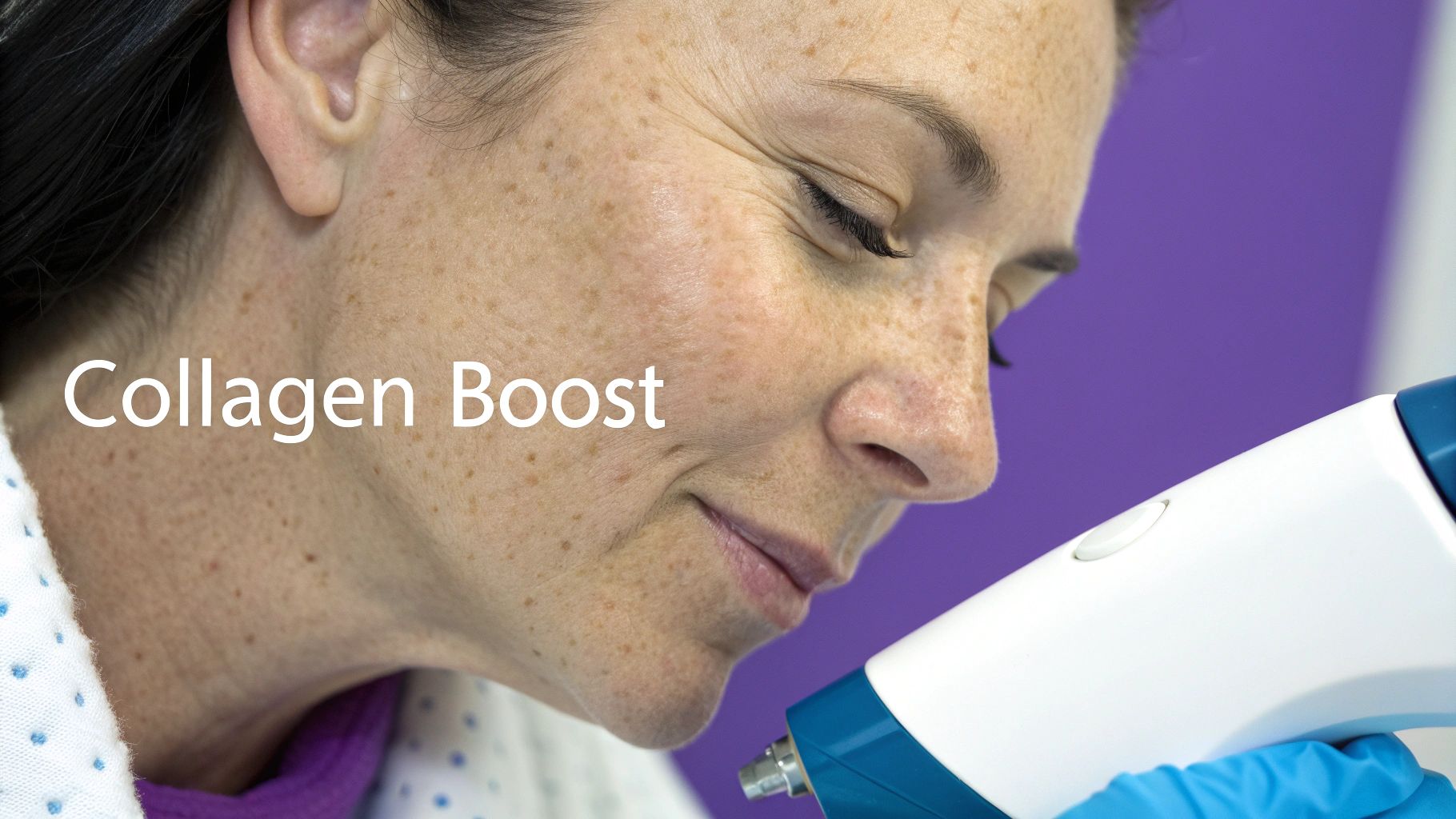
Beyond musculoskeletal benefits, one of the compelling advantages of cold laser therapy is its impact on skin health and regeneration. The therapy leverages specific light wavelengths to energize dermal tissues, significantly boosting collagen and elastin production. This process is central to maintaining the skin’s structural integrity, elasticity, and youthful appearance.
Cold laser therapy works by activating fibroblasts, the key cells responsible for synthesizing collagen. The light energy is absorbed by mitochondria within these cells, which increases ATP production and enhances overall cellular metabolism. This amplified energy state allows fibroblasts to create more robust collagen fibers, helping to repair damaged skin, reduce signs of aging, and improve overall texture and tone. This cellular-level rejuvenation makes it a powerful tool in aesthetic and dermatological treatments.
How It Works for Different Conditions
The application of cold laser therapy for skin health is versatile, offering a non-invasive solution for various cosmetic and medical skin concerns. It addresses issues from the inside out, promoting natural healing and regeneration.
- Anti-Aging Treatments: In aesthetic clinics, LLLT is used to reduce the appearance of fine lines and wrinkles by stimulating the natural production of collagen, leading to firmer, smoother skin.
- Acne Scar Reduction: For individuals with post-inflammatory scarring from acne, a provider may use the therapy to help remodel the scar tissue and promote the growth of healthy new skin, diminishing the visibility of scars.
- Post-Surgical Scar Improvement: Following surgical procedures, cold laser therapy can be integrated into recovery protocols to accelerate healing, reduce scar formation, and improve the cosmetic outcome of the incision site.
- Stretch Mark Treatment: The therapy can help fade the appearance of stretch marks by promoting collagen synthesis in the affected dermal layers, improving skin texture and uniformity.
Practical Tips for Maximizing Skin Health
To achieve the best results from your skin-focused cold laser therapy sessions, consider these actionable steps:
- Protect Treated Skin: After treatment, the skin is in a regenerative state. Protect it from direct sun exposure by using a broad-spectrum sunscreen to prevent UV damage and support the healing process.
- Stay Consistent: Achieving significant improvements in skin texture and collagen density requires a consistent treatment schedule. Adhering to the recommended series of sessions is crucial for cumulative, long-lasting results.
- Support with Nutrients: Complement your treatments with a diet rich in collagen-supporting nutrients like vitamin C, zinc, and amino acids. Quality moisturizers and serums can also support the skin’s barrier and enhance outcomes.
7 Key Benefits Comparison of Cold Laser Therapy
| Aspect ⚡ / Item ⭐ | Pain Reduction and Relief | Accelerated Tissue Healing and Repair | Inflammation Reduction | Improved Blood Circulation and Lymphatic Flow | Enhanced Nerve Function and Regeneration | Muscle Relaxation and Spasm Reduction | Stimulation of Collagen Production and Skin Health |
|---|---|---|---|---|---|---|---|
| Implementation Complexity 🔄 | Moderate – requires specialized cold laser devices and session scheduling | Moderate – consistent sessions with clinical protocols recommended | Moderate – multiple sessions and monitoring needed | Moderate – requires understanding of vascular contraindications and session timing | High – longer treatment period with precise targeting needed | Low to Moderate – straightforward but repeated treatments beneficial | Moderate – requires multiple sessions over weeks to months |
| Resource Requirements 🔄 | Cold laser device, trained practitioner, multiple sessions | Similar to Pain Relief plus emphasis on timing after injury | Cold laser equipment with anti-inflammatory monitoring | Cold laser equipment, knowledge of cardiovascular history | Cold laser device with neurological expertise | Cold laser device, possible adjunct therapies (heat/stretching) | Cold laser device, adherence to treatment schedule, skincare adjuncts |
| Expected Outcomes 📊 | ⭐⭐⭐⭐ Immediate to short-term pain relief; variable by individual | ⭐⭐⭐⭐⭐ Faster tissue regeneration, improved wound healing quality | ⭐⭐⭐⭐ Gradual inflammation reduction; fewer symptoms with long-term use | ⭐⭐⭐⭐ Enhanced blood/lymph flow; edema reduction, better tissue oxygenation | ⭐⭐⭐ Improved nerve conduction, reduced neuropathic symptoms but slow progression | ⭐⭐⭐⭐ Reduced muscle tension, improved range of motion, temporary soreness possible | ⭐⭐⭐ Gradual collagen increase, improved skin texture, anti-aging effects visible after sustained use |
| Ideal Use Cases 💡 | Acute and chronic pain management (e.g., back pain, arthritis, sports injuries) | Wound healing, surgical recovery, burn and ulcer care | Chronic inflammatory conditions (e.g., arthritis, tendinitis) | Circulatory issues (lymphedema, neuropathy, venous insufficiency) | Peripheral neuropathies, nerve injuries, post-surgical nerve repair | Muscle spasms and tension (e.g., fibromyalgia, sports, occupational strain) | Anti-aging, scar reduction, dermatological rejuvenation |
| Key Advantages ⭐ | Non-invasive, drug-free, safe for repeated use, reduces medication dependence | Significantly faster healing, improved tissue strength, reduced complications | Addresses inflammation naturally without drug side effects | Improves vascular and lymphatic function, enhances immune response | Non-surgical nerve repair, improves sensory/motor function | Drug-free relaxation, improves athletic recovery and flexibility | Non-invasive skin rejuvenation, reduces fine lines/scars, improves elasticity |
| Tips and Insights 💡 | Combine with physical therapy; regular sessions; avoid sun exposure post-treatment | Start early post-injury; maintain protocols; good nutrition; avoid smoking | Use ice pre-treatment; monitor markers; anti-inflammatory diet; avoid pro-inflammatory activities | Hydration; gentle movement after treatment; avoid restrictive clothing; consider compression therapy | Patience needed; combine with nerve exercises; maintain blood sugar control; avoid nerve compression | Use heat pre-treatment; follow with stretching; hydration; avoid intense activity post-session | Protect skin from sun; moisturize well; consistent schedule; combine with collagen-supporting nutrients |
Take the Next Step Towards a Pain-Free Life in Spokane
We’ve explored the remarkable and diverse benefits of cold laser therapy, from its ability to alleviate chronic pain to its role in accelerating the body’s natural healing processes. This non-invasive treatment stands out as a significant advancement in modern wellness care. It offers a gentle yet effective solution for a wide range of conditions without the need for medication or surgery, making it an ideal choice for many individuals seeking lasting relief.
Let’s recap the transformative advantages we’ve discussed. Cold laser therapy directly addresses the root causes of discomfort by stimulating cellular activity. This leads to not just temporary symptom management but profound, sustainable healing.
Key takeaways to remember include:
- Targeted Pain Relief: By blocking pain signals and promoting the release of endorphins, it offers direct relief for conditions like back pain, arthritis, and neck stiffness.
- Reduced Inflammation: It effectively calms inflammation at the cellular level, decreasing swelling and improving mobility in joints and soft tissues.
- Accelerated Healing: The therapy enhances ATP production, giving your cells the energy they need to repair damaged tissues, mend injuries, and recover from strain much faster.
- Improved Systemic Function: By boosting blood circulation and lymphatic drainage, it ensures that healing nutrients reach affected areas while metabolic waste is efficiently removed.
These benefits are not isolated; they work in synergy to restore your body’s natural state of balance and health. Imagine being able to return to your favorite activities—whether it’s playing with your children, enjoying a hike, or simply moving through your day without the constant burden of pain. This is the potential that cold laser therapy unlocks. The true value lies in its ability to empower your body to heal itself, offering a proactive approach to long-term wellness.
For individuals in Spokane, particularly those dealing with the aftermath of an accident, suffering from persistent neck and back pain, or even expectant mothers looking for safe relief, integrating this therapy into a comprehensive care plan can be a game-changer. It represents a shift from merely managing symptoms to actively promoting recovery and enhancing your overall quality of life. The path to a more comfortable, active, and fulfilling life is not about enduring pain; it’s about finding effective, personalized solutions that work with your body.
Ready to discover how the benefits of cold laser therapy can transform your health? The team at Audubon Park Chiropractic & Wellness is here to help you get started with a personalized treatment plan. Don’t wait to start feeling better. Call us today at (509) 327-4049 to schedule a consultation, or feel free to walk in and speak with us. Your journey to a pain-free life can begin now.
Ready to Feel Better?
Our Spokane chiropractors are ready to help. Walk-ins welcome — no appointment needed.

Dr. Michelle Snyder is a Spokane chiropractor with advanced training in women’s health, hormone balancing, pregnancy, and care for infants and children. She uses gentle low-force spinal adjustments alongside specialized therapies including Webster’s breech technique, allergy desensitization, cold laser therapy, EB cellular cleanse, and Methylation/genetic nutrition — offering patients a comprehensive, whole-body approach to wellness.
A Spokane resident for over 31 years, Dr. Michelle is deeply committed to her community, contributing time and resources to organizations including Meals-on-Wheels, Second Harvest, Ronald McDonald House, and the Union Gospel Mission.
📍 2909 W. Northwest Blvd, Spokane, WA 99205 | ☎ (509) 327-4049 audubonparkchiropractic.com